
In 2025, scrolling through cinema’s new release schedule feels like déjà vu.
Anne Hathaway and Meryl Streep are reprising their roles as Andy Sachs and Miranda Priestly, in a Devil Wears Prada sequel set for release two decades after the first aired. Two of Jane Austen’s works — Sense and Sensibility, and Pride and Prejudice — are being adapted for screen once again, this time with a new generation of actors charged with bringing the centuries-old stories to life. The Hunger Games is embarking on its seventh chapter, nearly 15 years after it first put Jennifer Lawrence on the big screen. And Just Like That… has tried (with varying degrees of success) to capture the magic of Sex and The City in the late 90s. Celine Song is apparently writing a sequel to My Best Friends Wedding. There’s Freakier Friday, Beetlejuice Beetlejuice, Happy Gilmore 2, Shrek 5, Buffy The Vampire Slayer, I Know What You Did Last Summer.... The list (literally) goes on.
Of course, there are obvious reasons for this wave. The fact that reboots are safer bets in a financially unpredictable entertainment landscape has been well documented. Why take a risk on something new when you can capitalise on an existing fan base? Nostalgia sells — particularly when audiences are feeling unmoored in a chaotic world. But take economics out of it, and we’re left with a more unsettling question:
what happens to our cultural imagination when current storytelling relies so heavily on the past?
And where does it leave new voices and perspectives in a cinematic landscape dominated by what’s already been said?
There’s also the pesky little fact that, try as they might, no film studio has managed to match the magic of an original movie in sequel form. It’s hardly surprising: I find most memories tend to be so much more magical when they remain exactly that. Ex-boyfriends are always more appealing when filtered through rose-tinted nostalgia. Rekindle the relationship, and you’re likely to be reminded why it ended in the first place. A summer abroad is more magical when remembered as sticky, sandy photos in your camera roll, than relived the following year through the reality of being hungover and wheeling a 30kg suitcase across the cobblestoned streets of some obscure European city.
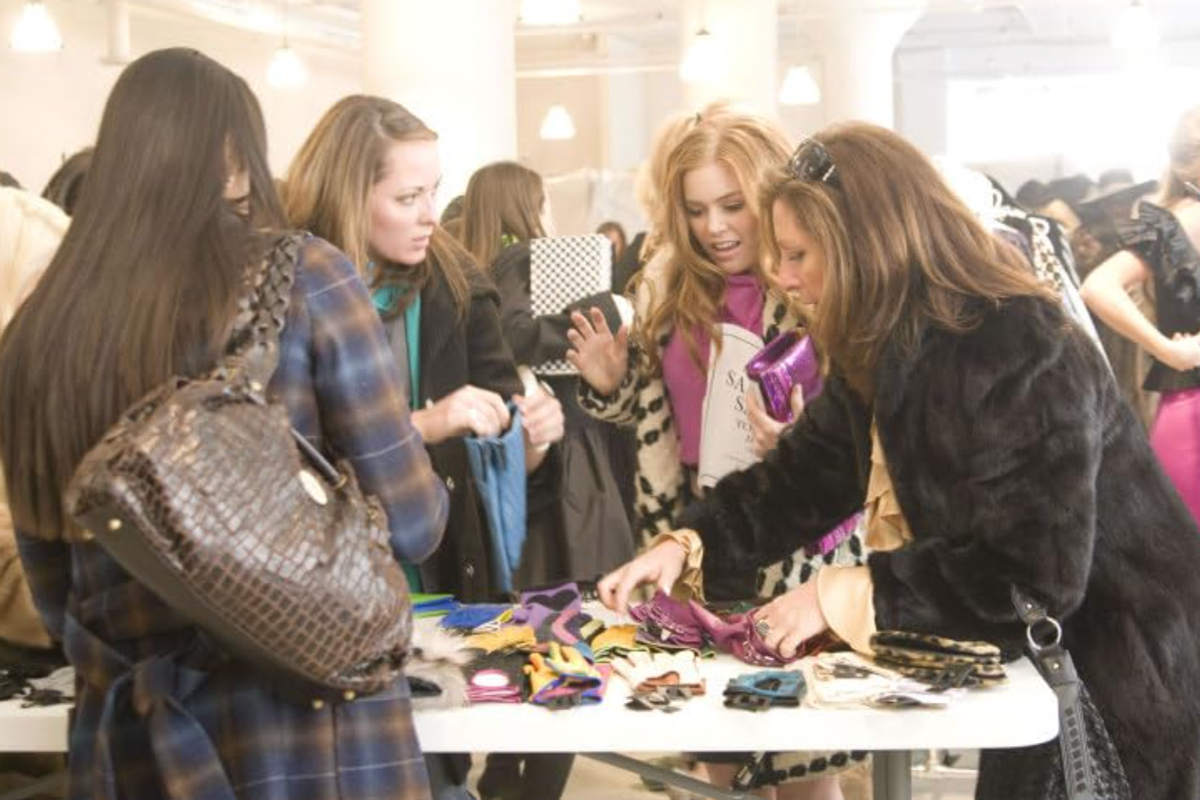
We're seeing this theory proven in real time with The Devil Wears Prada. The original is a cult favourite for an entire generation — many, myself included, cite it as a formative reason for pursuing a career in fashion journalism. It goes without saying that the outfits in the original were impeccable (and still are), and a huge part of why we loved it so much. Another part, however, is contextual. The original story was also told at a time when publishing was entirely different to today — print reigned supreme, and the glamour and prestige of magazines were aspirational, but real. Fast forward to 2025, when working in media has never felt more uncertain, and rewatching The Devil Wears Prada is like a comforting hug. Do we want all that tainted by a sequel that hones in on the once-formidable Miranda Priestly as she battles to save her fashion empire from the 'digital apocalypse'?
In other words, a sequel can update the aesthetics, tweak the plot, age the characters — but it can’t recreate the cultural context that made the original hit so hard.
We've already seen it play out with And Just Like That…, which failed to lived up to our sky-high expectations, despite its original remaining a favourite of so many generations all these years later. Try as they might, the writers couldn't to recreate the magic of the women we fell in love with in the late 90s for their full and complicated lives, and the series was cancelled after just three seasons.
Meanwhile, studios like A24 and Neon are proof that there is appetite for newness. They've thrived by backing new, emotionally specific stories that feel like they belong to the current moment. Last year, Sean Baker's Anora defied its $6 million budget to win a whopping six oscars. It also did so by putting relatively unknown actors in the driver's seat. Similarly, films like Past Lives and Everything Everywhere All At Once have proven you don't need pre-existing characters or nostalgia to thrive, critically or commercially. They've succeeded by speaking to the moment, not escaping it. In other words, there's no shortage of new ideas in cinema. We just need to make space for them to be heard.