

Sustainability is a journey. It's not something that happens overnight. It's something we have to work towards everyday. As for discovering new ways to improve the way we live, sometimes the best tips come from the people around us; from our friends and our community.
So, in honour of Earth Day today, we pulled together our own sustainability initiatives. The tips and tricks we use each day to help do what we can in the fight for our planet. Below, find the tips we've picked up along the way.
Mia Steiber
Digital content director
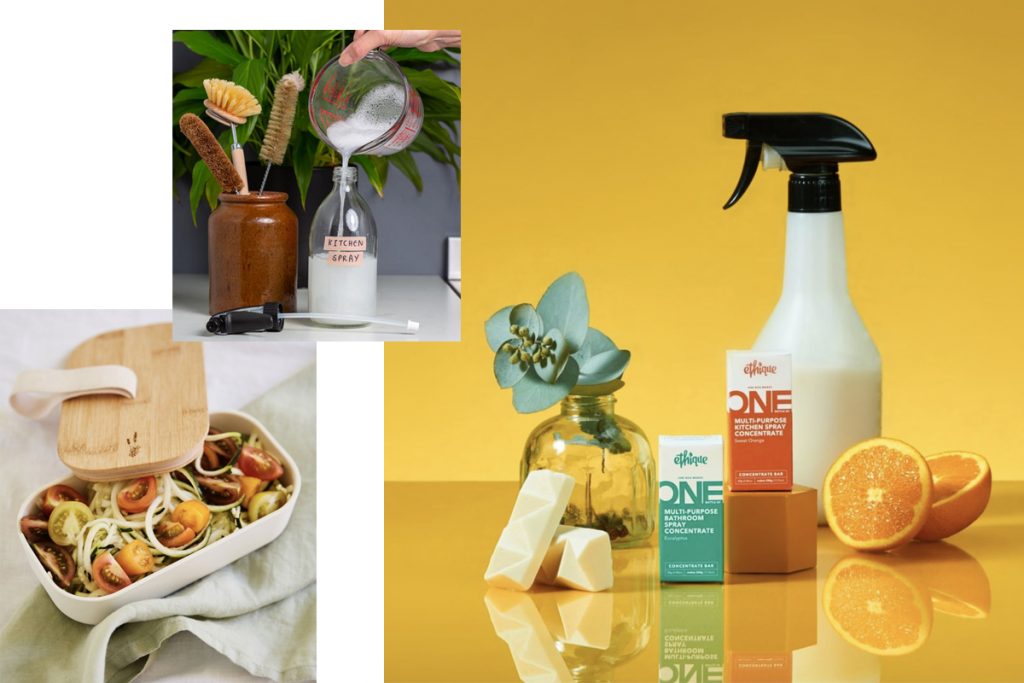
My sustainability efforts at the moment are really focused on cutting down how much I send to landfill - because landfill is a major cause of greenhouse gas. One thing I always tell my friends is how easy it is to stop using cling wrap - it’s a lot of unnecessary single-use plastic. I stopped in 2016. It’s actually easy to do, anything that you would normally cover just put into a container. Problem solved. In the last month, I’ve switched all my cleaning products to Ethique concentrates which come in paper, so I’m no longer buying unnecessary plastic bottles. I also made sure to put an Insinkerator in my kitchen so I never have to put organic matter in the bin - and before the Insinkerator I had a little compost bin on my apartment balcony.
I'm also slowly switching all my plastic containers to glass. IKEA have some wonderful glass food containers and my rule is to buy one whenever I visit to help make the transition.
I’ve also cut back significantly on my meat intake - livestock is a major cause of greenhouse gas, it contributes to around 15 percent of global emissions although some estimates put it closer to 18 percent. But when I do eat meat, I go to a butcher in Manly that allows you to bring your own containers so I’m not having to throw away any packaging.
As for fashion, I've been buying primarily second hand clothing since I was 18. It started as a necessity. As a poor uni student, I wasn't able to afford anything new. But now, it's a choice. I use eBay and Depop. When I do buy new things, I try my best to buy tencel, bamboo lyocell or viscose or organic cotton - which uses way less water than regular cotton).
In the last month, I’ve started something new that learned from Tessa at A_C. I put a stocking over the waste water hose from my washing machine to filter out all the microplastics from washing clothes - this stops them from going into the ocean and becoming fish food. I think being more sustainable is a process, you’re never going to be perfect. Just try your best and you’ll learn new things along the way.
Megan Nolan
Digital operations manager
For me when it comes to sustainability I find that it’s easy to feel overwhelmed. It is such a huge issue and we are constantly being made aware of new areas which are problematic (Seaspiracy was a huge eye opener for me). If I can’t do everything is it even worth doing anything? The answer is of course always yes, and each new habit formed makes it easier to start on the next one.
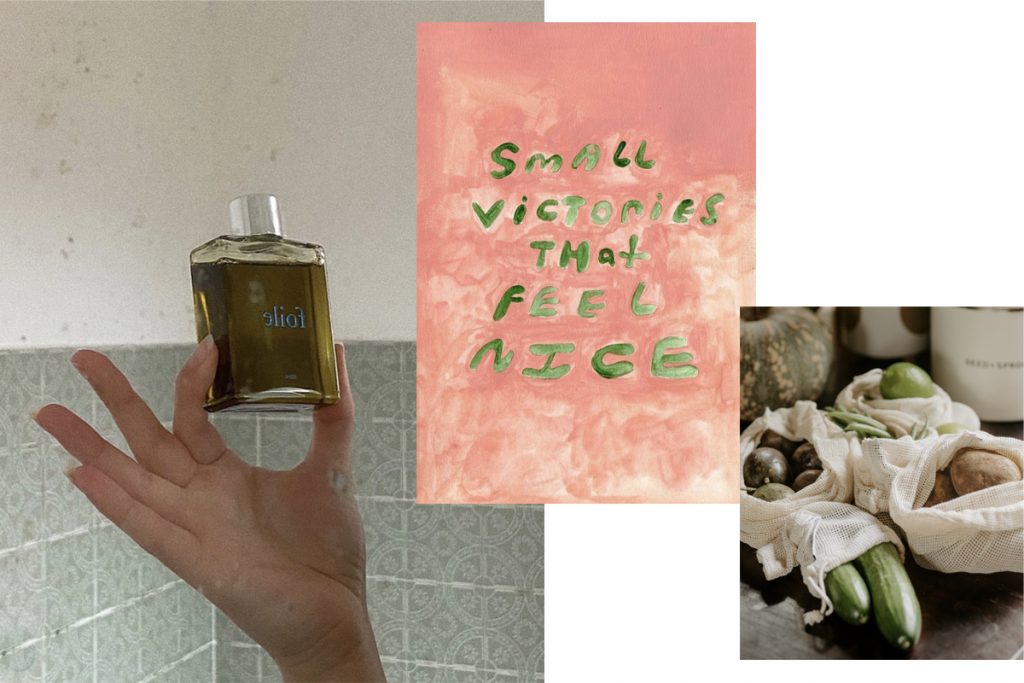
A year ago I wouldn’t have even blinked at using cling film to cover last night’s dinner and the year before I felt zero guilt at buying a bottle of water when I was out. I now live in a house where cling film is non-existent thanks to beeswax coverings and plastic free alternatives from brands like Seed & Sprout. I’ve also been testing out different shampoo bars and body soaps which don’t come in plastic packaging. Brands like Foile who encourage you to refill your beauty products also provide small ways to reduce your impact whilst still remaining super chic.
It might not feel like much but if everyone can get to a place where these little changes become second nature it will slowly start moving the needle in the right direction.
Angel Jhang
Market editor
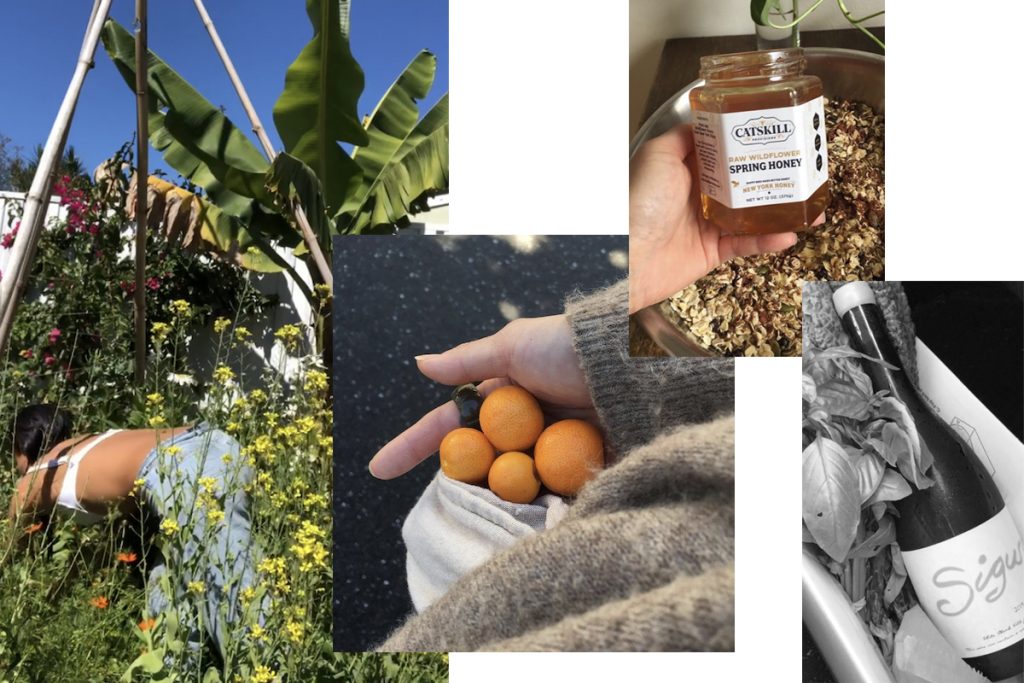
When it comes to the conversation of sustainability, I find it can always become quite a slippery slope. To make sure I don’t overthink too much and feel burdened with misery - my efforts in sustainability remain quite simple and accessible. Apart from the obvious, such as recycling properly, avoiding single use plastics, minimising my carbon footprint, I have always considered a really big act in achieving sustainability is being aware of who you give your dollar too. I was once told by my old boss, you give your vote to who you give your money. You may be using a keep cup but depending on the circumstances, the clothes you buy could be backhandedly funding the cutting down of the Amazon forest or you could be giving back to companies who are building towards a more sustainable future. That is a powerful choice and a powerful vote.
I live quite minimally and am ultra conscious of where I source my food, always supporting local farmers and boutique grocers over big chained superstores. The consumption of meat is also something I stay very conscious of as raising livestock for meat and dairy production is one of the most harmful sources of greenhouse gas emissions, transportation and waterway pollution.
In terms of beauty, I only use natural soaps and products for cleaner waterways and making sure to support my funding into smaller companies who are working hard to produce more organically and sustainably and those who fight to give back.
My wardrobe is also predominantly filled with either second hand or high investment pieces and despite working in fashion, I rarely like to buy clothes. I have always been one to have worn and loved the same things for over 10 years and when I do buy, it’ll be highly considered pieces that I know I won’t throw out and can last and walk with me for another 10 years down the line.
Ella Jane
Content editor
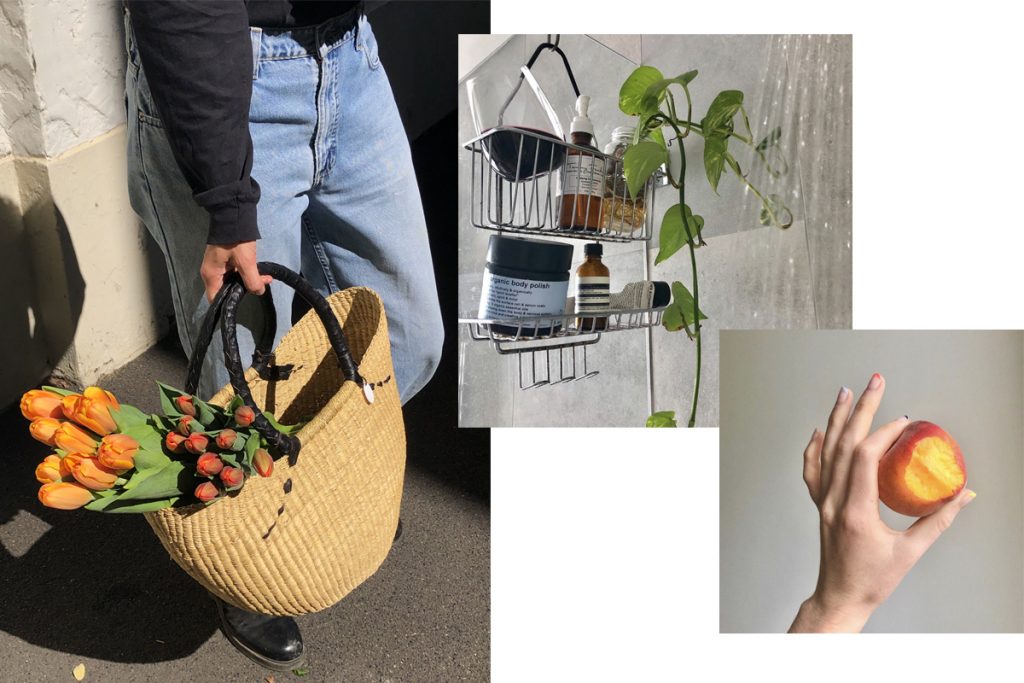
My recent efforts of sustainability have really all circled back to minimal and considered living, spanning many facets of day to day life.
For food, I’ve begun to shop at the organic produce markets around the corner in Potts Point on Saturday mornings. While this often sounds like something only waspy people can achieve, I’ve had success in finding organic produce stalls that come completely plastic free and not at the cost of a kidney (shout out to Rita’s Farm), I’ve been able to save money by purchasing produce that I know I will consume in the week ahead, and the feeling of supporting local and organic farmers (not to mention the quality of the produce) is second to none.
Clothing wise, it’s about purchasing pieces that are made to last or shopping vintage. I rarely buy clothing, so when I do, I’m trying my best to invest a little more money in pieces that will withstand a decade of wear (hopefully), it’s a classic answer, but cliches happen for a reason.
As for the rest, considered consumption is where it’s at for me. Cutting down on the things I don’t need (like cling wrap and plastic bottles) and swapping for things that will do myself and the planet good like walking to work, minimising my intake of animal products, switching to eco-friendly cleaning products (Koala Eco is my favourite) and untangling myself from a see-now-buy-now mindset.
Elyssa Kostopoulos
Content producer
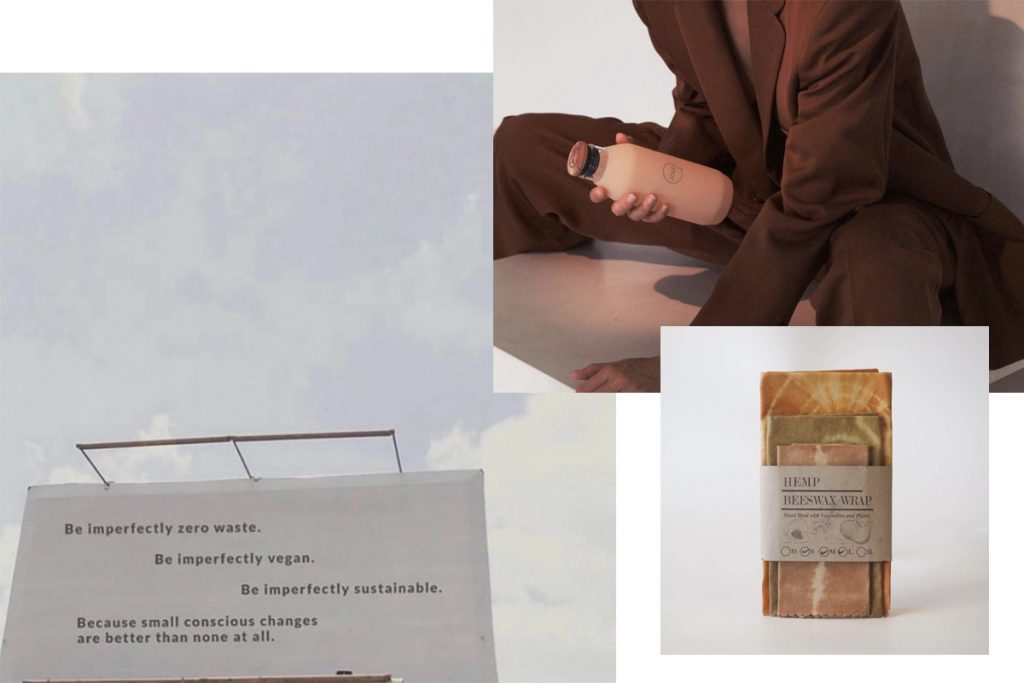
Sometimes, living at home with a big family can make the sustainability conversation feel alarmingly overwhelming; especially when you’re trying to convince family members to consider changing their ways. This year, my efforts to live a more sustainable homelife are starting with education and slowly introducing new practices into our everyday life. So far, switching out cling wrap for beeswax coverings has been a hit, and I’ve convinced everyone but my stubborn twenty-something brother to do the bare minimum and purchase a reusable water bottle.
On a personal level, I’m making a conscious effort to reduce my consumption habits. It’s a baby-step process (for someone who works in the fashion industry), but over the last year, my purchases have become much more considered and far less trend driven. I now have worked myself out of the habit of purchasing as a means of boosting my serotonin levels, and instead now only shop when something needs replacing. And when I do, it’s always mindful. I’m definitely not perfect, but I’m always learning. I think it’s about constantly having the conversation with yourself and trying to make a small change everyday.
Gabriela Hidalgo
Brand & art director
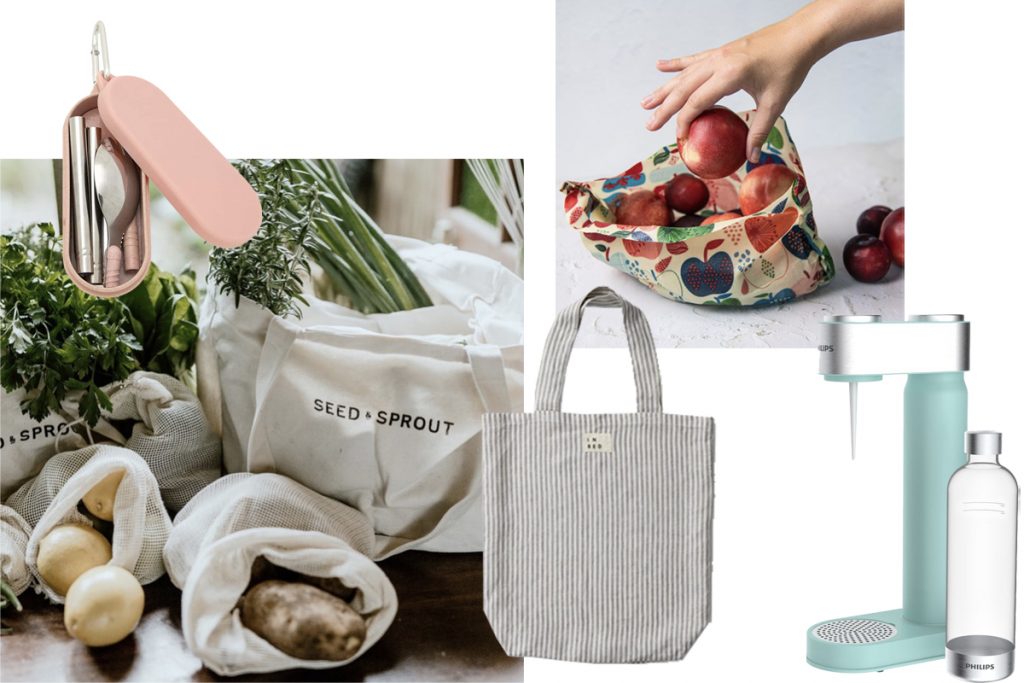
Like many things in life, consistency has the power to outweigh scale when it comes to making a difference. It is far too easy to fall in the trap of believing “If it’s not a big change, then why make it at all?” or “What difference is this truly making?” but I’ve learnt that no action is ever too small, particularly when they enter the territory of becoming second nature in our daily lives. So let’s start small. There are so many wonderful products available now that have helped me in my personal sustainability practices, it can even be (dare I say it) a little fun. For example, I have recently purchased a mini foldable cutlery set (including a straw and bottle opener!) to keep on me at all times. I permanently keep a foldable shopping tote bag in my actual bag, for those spontaneous / last minute grocery purchases that I am now always prepared for.
The ‘Farmers Market set’ from Seed & Sprout is perfect for a larger weekly shop and includes totes, mesh bags, pouches (for veggies, grains etc) and even a bread bag! Definitely fun. Some small swaps that have really helped me are Wax Wraps instead of cling wrap, dining in instead of out, choosing loose leaf tea rather than bags, buying dry goods in bulk rather than packets (Alfalfa House in Enmore * chef’s kiss *) and investing in a soda stream for all the bubbles without the plastic. I have definitely had my moments, I’ve let ‘convenience’ win, but it’s also important to forgive yourself, let go of the guilt and try again.


