
Each year, countless Australians flee our (comparatively mild) winter in favour of a European summer sojourn. In the process, our social media feeds become a flood Aperol spritzes, sun-decks, and red phone boxes for the months of June, July, and August. But by the time we'd seen your 70th story of a Parisian escapade this summer alone, it dawned on us: there are over 800 cities in the European Union, but the majority of travellers seem to frequent the same locations, time and again.
Here at RUSSH, we like to go against the grain — European summer itineraries included. If, like us, you're looking for somewhere a little less crowded, and a little more under-the-radar this Europe summer, we've got you covered. Though it would take years to tick them all off your bucket list, we thought we'd get you started with a handful of spots that we're currently pining to return to.
Read on for our slightly off-the-beaten track guide around Europe's underrated destinations.
Sitges, Spain
View this post on Instagram
Oh, Sitges. What is there to say? By sun-up it emerges as one of Spain's sleepy, coastal towns and by nightfall it also claims the stalwart title of one of the nation's rowdier party islands. It is uncompromisingly queer-friendly, and you can sunbathe nude just about everywhere. When the sun is sinking into the ocean at the day's end, trot over to one of the promenade cocktail bars for an icy drink to cap it all off.
Mostar, Bosnia
View this post on Instagram
My trip to Mostar started with a bumpy, sweat-soaked bus ride and ended with a wade in the Krevice waterfalls. In between that, I stocked up on baklava, trotted dutifully across the Mostar Bridge, and made time for a pre-swim swim in the Neretva water. It neighbours the touristy Dubrovnik, and is accessible also from Montenegro. Leave room to try the avjar and meat-stew pilafs.
Avignon, Saint-Rèmy-de-Provence
View this post on Instagram
A short train ride from Paris will transport you to the clandestine inlands that make up the South of France. Avignon is one destination that we cannot fault. The city's cuisine is a marriage of traditional cooking and Mediterranean influences. Local markets stock plentiful produce, herbs, and seafood, inspiring dishes like ratatouille and bouillabaisse. It's also within distance of the vastly built Pope's palace, which houses the largest gothic palace in Europe.
Rapallo, Italy
View this post on Instagram
Rapallo is just a shave away from the well-populated watering holes of Portofino, Liguria, and the five towns of Cinque Terre. And while the coastline you get is the same, the company is not. The town is a student-holidayer's go-to, with droves of younger Italians making their way to the city centr earound summer for the same reasons we do. The beach chairs are also more budget-friendly without having to fend off hordes who are looking for their own Kardashian-Barker wedding.
Koper, Slovenia
View this post on Instagram
Koper, one of Slovenia’s oldest towns, was previously an island belonging to north-western Istria. Today’s city centre is situated on the ancient island, while its current-day make up is the result of a 2000-year-long development that began as early as the Roman times. It's got the narrow side streets of any respectable European destination, and a bell tower for you to climb.
Innerthal, Switzerland
View this post on Instagram
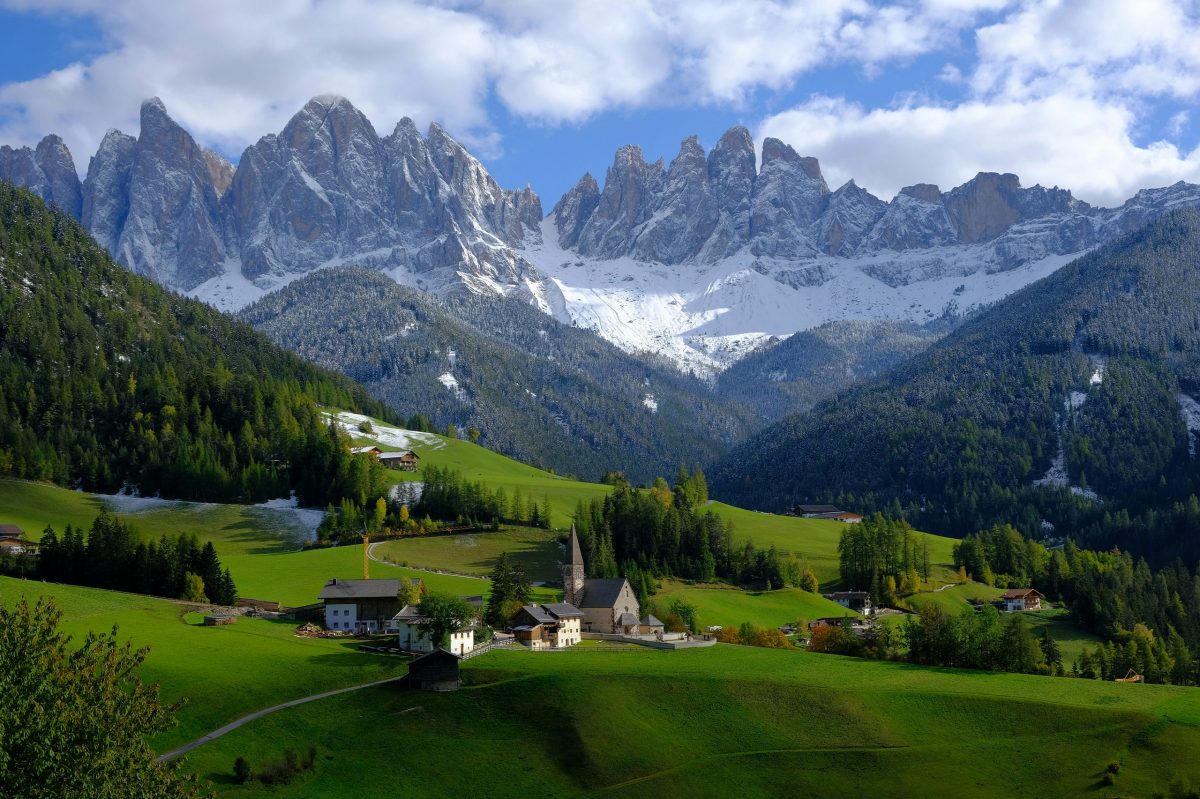
Deep in the canyon of Schwyz, you can find the bucolic scenery of Innerthal. It's nestled away in a ring of green, against the great lake in the upper lake Wägital. It appears ripped off the pages of Hammerstein's Sound of Music, in the sense that its pastures are so picturesque one could almost picture a nun-turned-governess frolicking across them. The bleating goats and their bells chiming in the distance could soothe any troubled soul to sleep. Also stop by at any local tavern for a hunk of schnitzel and a tankard of beer. En Guete.
Evora, Portugal
View this post on Instagram
The entire town is a UNESCO-Heritage site. Yes, the entire perimeter. Cobbled streets tucked behind fortresses that have weathered millennia, and history that predates the golden age for Portugese royalty. Considering the historic city-center is located on a strip of land just half a square mile in size, there's a lot to tuck into and see without hurtling past 12,000 steps a day.