When I was 12 years old I was obsessed with Twilight. I avidly read my monthly Teen Vogue subscription and shopped at Pumpkin Patch's cooler, older-sister shop Urban Angel. I had braces. My skincare routine only really consisted of Neutrogena's Pink Grapefruit Face Wash, and my makeup was likely just a slick of dessert-scented lip gloss from my abundant Lip Smackers collection (my true pride and joy). I idolised Miley Cyrus (who had just had her sweet sixteenth at Disneyland) and had only just received my first hand-me-down flip phone.
Those years between adolescence and teenager-hood remain so distinct to me; a formative time between 11 and 14 when I felt just on the cusp of something, just on the precipice of leaving another.
"A formative time between 11 and 14 when I felt just on the cusp of something, just on the precipice of leaving another."
But the culture of 'tweens', as we call them, has slowly eroded since I was one in the 2000s. And increasingly, the borders of childhood and adulthood have swollen to meet at the edges – these key transitory years swallowed up; no longer catered to with their own content, branding or celebrities.
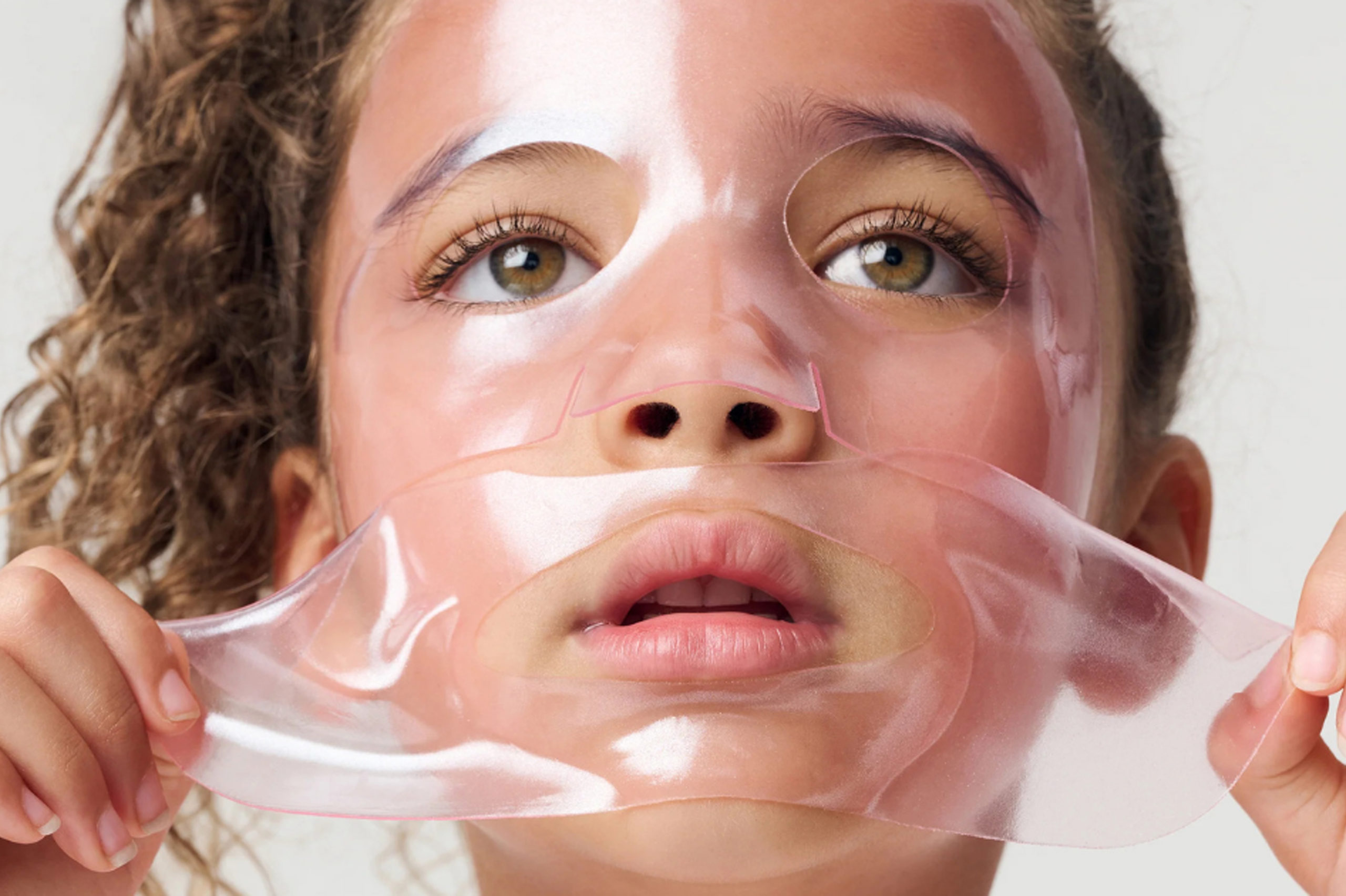
Tweens in 2025 already shop at beauty retailers for a six-step glass skin routine, and wear a full face of makeup to sleepovers. They shop at the same stores as their 18 to 21-year-old older sisters, and are making public social media accounts as early as nine or 10. They have smart phones and iPads and Stanley Cups and Labubus (perhaps the only trend that feels age-appropriate for their obsession). It's through the unfettered access of the internet and social media that this demographic has all but disappeared, now completely indistinct from a teenager – sometimes even from a young adult. Tween culture, by and large, is dead.
"It's through the unfettered access of the internet and social media that this demographic has all but disappeared, now completely indistinct from a teenager."
Stores like Justice and Claire’s – the former go-to destinations for preteen fashion across America – have filed for bankruptcy and begun closing their doors. Teen Vogue announced its closure this week as well, marking the end of one of the few remaining youth-driven publications under a major media umbrella. In Australia, beloved magazines like Dolly and Girlfriend have long since shuttered, now existing only as nostalgic relics of forgotten Y2K adolescence.
In place of those bygone stores and magazines, a new version of tween culture has emerged – one deeply intertwined with influencer marketing and the beauty industry. Brands are targeting increasingly younger consumers, recognising the lucrative potential of their spending power. Just this week, actress Shay Mitchell unveiled Rini, a new skincare line designed specifically for children (much to the internet's outrage). And Sephora is increasingly being swarmed by tweens and children – the internet even coining the term 'Sephora kids' and spawning plenty of debate online about whether they have a place in the beauty retailer.
"Sephora is increasingly being swarmed by tweens and children – the internet even coining the term 'Sephora kids' and spawning plenty of debate online about whether they have a place in the beauty retailer."
In a way, it's always been normal for tweens to want to imitate what teenagers and young adults are doing. But what’s changed is the pace and visibility of that imitation.
In the past, you might have copied your older sister’s eyeliner or begged for the same Converse sneakers, but it was done in small, private acts of mimicry. Now, tweenhood unfolds under a global microscope – algorithms pushing aspirational content at lightening speed, saturating every waking moment of feeble minds just beginning to understand the concept of their own identity.
Instead of experimenting in the mirror, today’s tweens are learning self-presentation from 20-something-year-old influencers whose faces are filtered, routines monetised, and lives staged for an audience. It’s not just mimicry – it’s the consequence of a beguiling marketing business disguised as 'inspo'. And so, the tween experience has lost its liminality. Its sparkle. What was once a slow, curious discovery of self has become a sped-up audition for adulthood.
It's no revelation that the internet has become a relentless force shaping how young people see themselves and each other. Tween girls are being inundated with a constant stream of anti-ageing messages and hyper-filtered fantasies broadcast from faux “content houses” built around OnlyFans creators – leaving them feeling pressured to measure up to impossible, synthetic and very adult ideals. Meanwhile, tween boys are being steeped in a digital culture of misogyny, where adult men peddle superiority and scorn. The result is a troubling rise in classroom harassment as well as a deepening mental health crisis.
"The result is a troubling rise in classroom harassment as well as a deepening mental health crisis."
In light of Australia’s new social media ban for children and teenagers, this cultural shift takes on an even more complex dimension. The Government’s move to restrict under-16s from platforms like Instagram and TikTok (and now Reddit) aims to curb the very forces that accelerated the erosion of tweenhood. In theory, it could help reintroduce some of that long-lost buffer, but it also might simply push online identity formation underground, into loopholes and secret accounts.
"The modern tween is performing adulthood before they’ve had the chance to rehearse it."
What’s most devastating is that in erasing tweenhood, we’ve stripped away a vital period of protection. By treating 11- and 12-year-olds as if they’re already 18, we’re demanding they perform emotional and aesthetic labour they aren’t equipped for. They’re being handed the social responsibilities of adulthood without the resilience or self-knowledge to carry them. The internet has turned their insecurities into opportunities for profit. And while brands frame it all as "empowerment", what’s really happening is a commodification of childhood. The dark truth of it is that kids are being mined for engagement, shaped into consumers before they even know what they want. It’s hard not to grieve what’s been lost in that exchange.
It's important to note that what we mourn isn’t just the loss of clothing shops or Teen Vogue – it’s the loss of innocence, that fleeting in-between world. One where you could like glitter and still dream of eyeliner; adore stuffed animals and secretly scroll through your crush's Facebook profile. Because those liminal years mattered. Tweenhood once offered a buffer zone between innocence and awareness; a time of experimenting with self-expression in the safety of small worlds. It was a soft launch into autonomy, a phase where taste, curiosity, and personality took shape before the scrutiny of the public eye. But the internet has collapsed timelines, speeding up self-presentation before self-understanding has had a chance to catch up. The modern tween is performing adulthood before they’ve had the chance to rehearse it – their interests algorithmically curated, their idols are marketing experts, their innocence turned aesthetic. Now they are performed online for everyone they know (and at least a few strangers on the internet).