
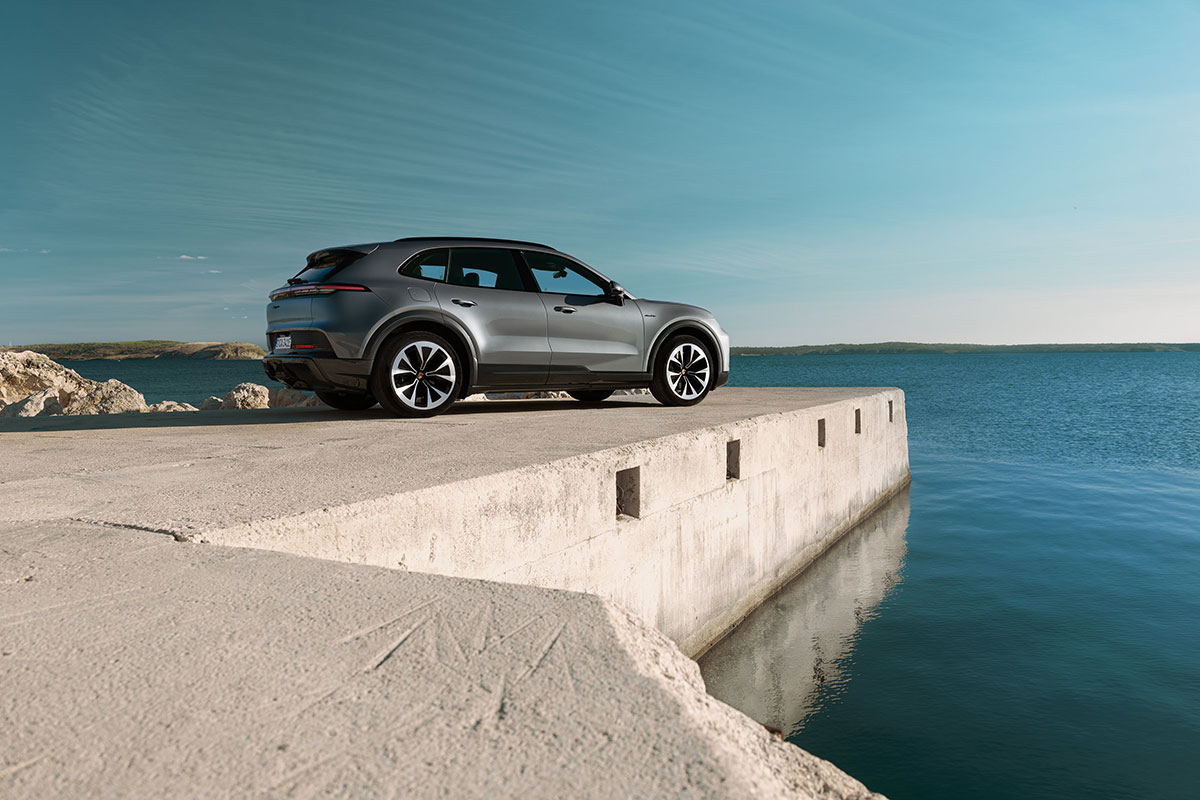
The Porsche Cayenne has always been special.
It's the car that pushed Porsche beyond its elite sports car roots and into a new market: SUVs. Since its debut in 2002, the Cayenne has become one of the world's most-coveted luxury vehicles. Now, more than 20 years on, this automotive and engineering icon has been reimagined like its sibling, the Macan – yes, the Cayenne has gone electric.
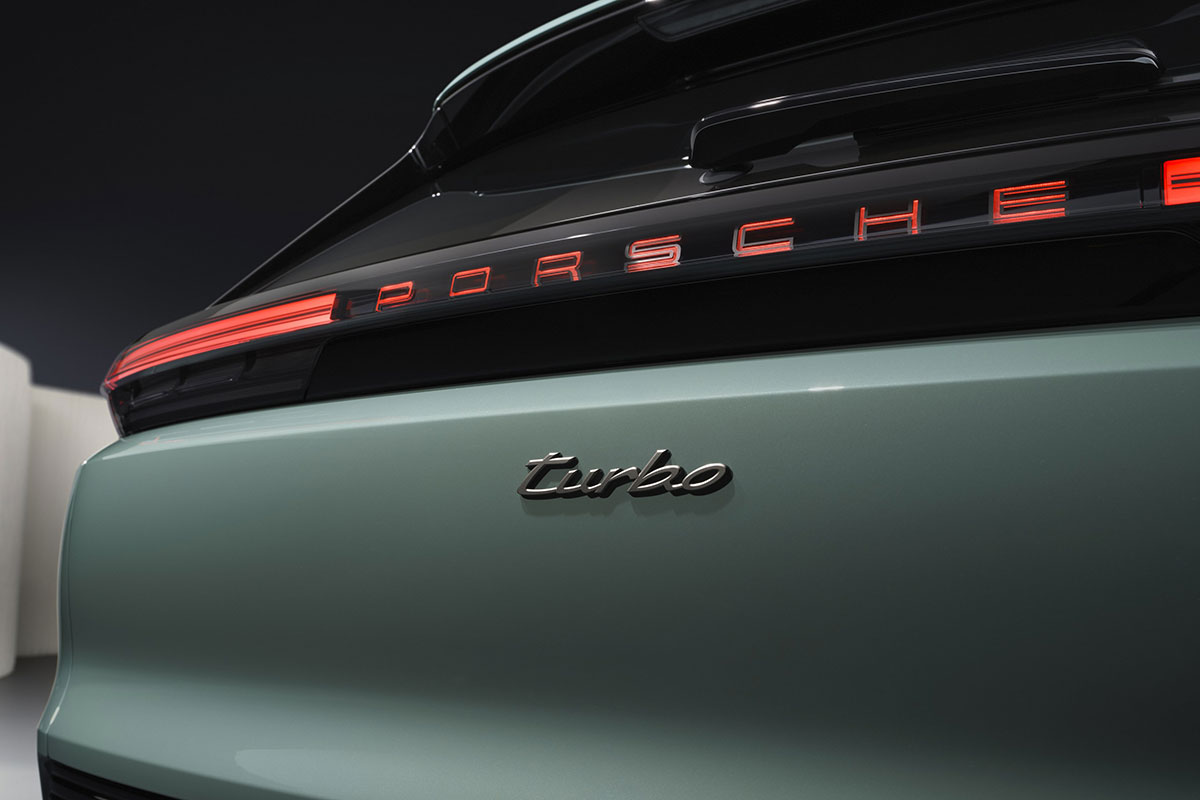
The re-envisioned Porsche Cayenne Electric family is made up of two models; the Cayenne Electric and the Cayenne Electric Turbo. Of course, one of the first questions anyone has when a automotive icon goes electric is what the range looks like. The Cayenne Electric certainly does not disappoint, with 642 km WLTP and 623km for the Turbo on the European models. It's an impressive feat for a car in the super sports car category.
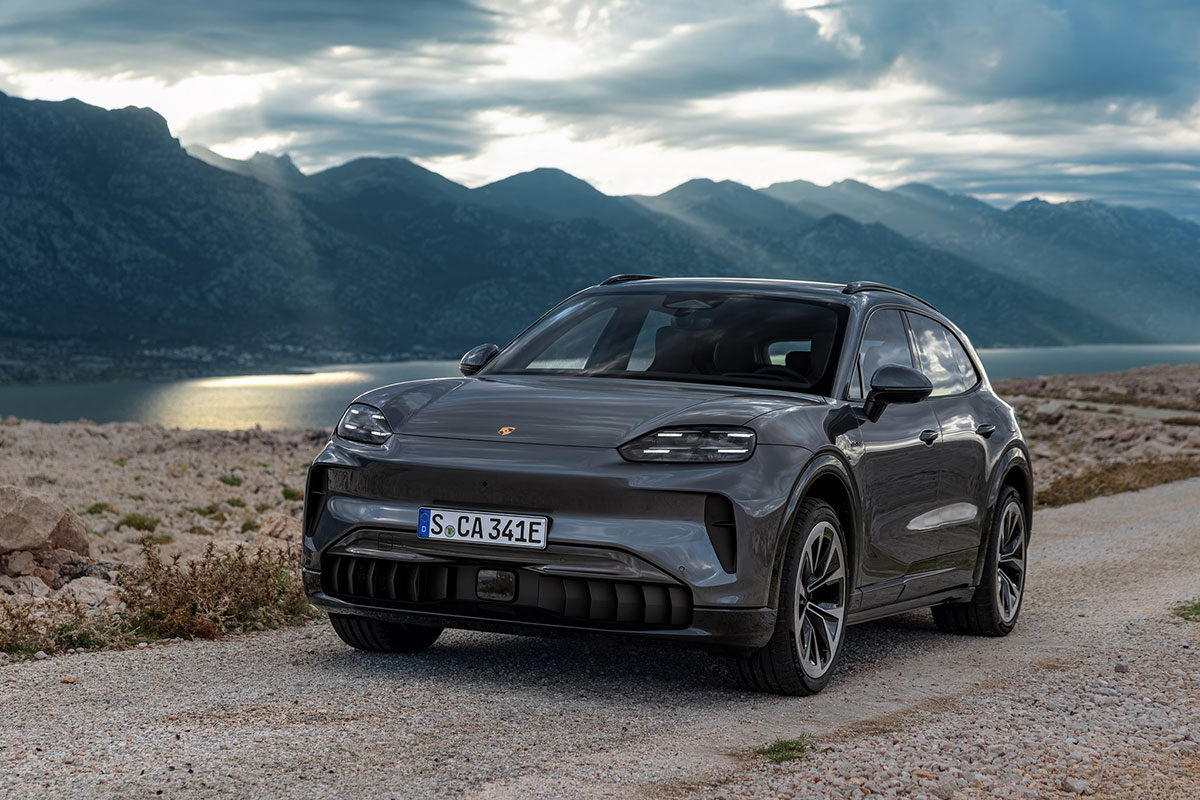
The next question is inevitably, how fast is it? Electric cars are typically full of weighty batteries, so questions regarding speed are valid. Porsche's dedication to masterful engineering means the high-end Cayenne Electric Turbo falls well under the 3-second 0-100km/h requirement to be considers a super sports car; achieving it in just 2.5 seconds, with a top speed of up to 260 km/h on the track. Considering it has to weigh over 2.5 tonnes that's quite an achievement.
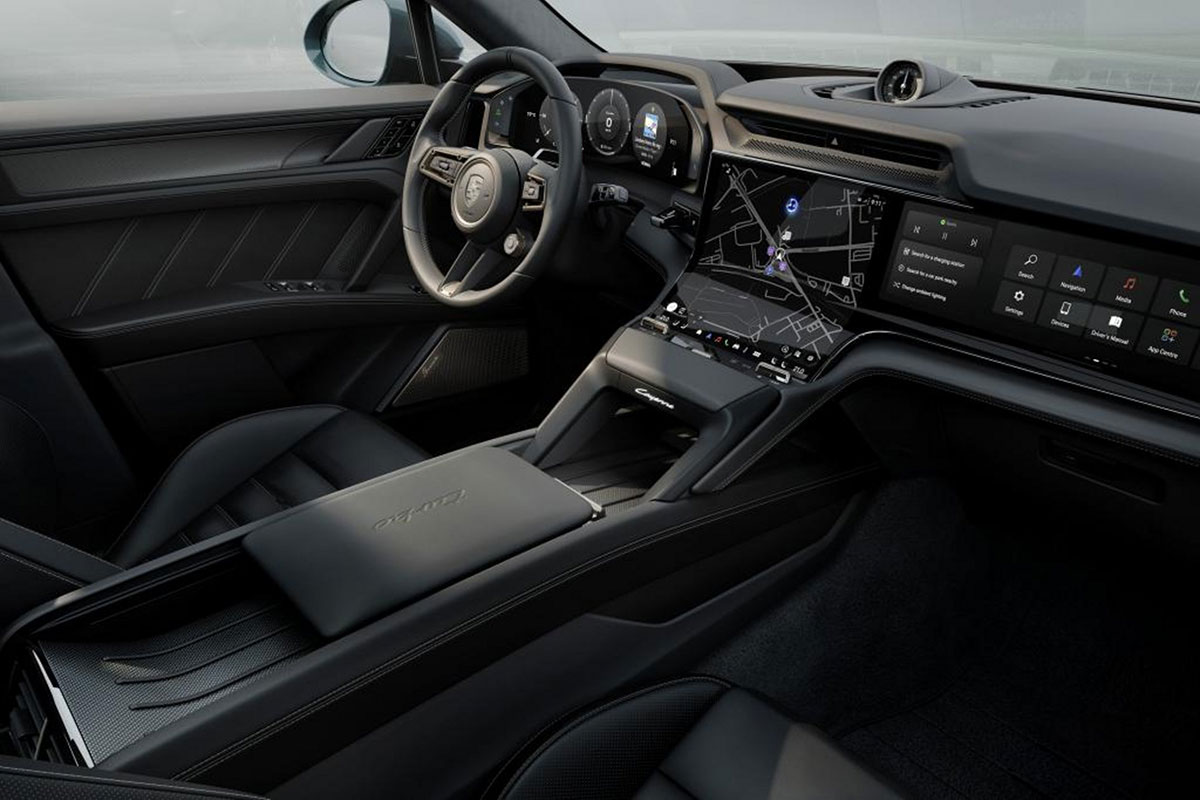
The design language remains true to the core tenets of what makes the Cayenne a Porsche icon. Strongly contoured wings, a gently sloping roof line, frameless doors and a two-tone concept designed to underline the car's impressive proportions. It's bigger than its combustion engine predecessor. 55 millimetres longer to be exact. It boasts dimensions of 4,985 mm in length, 1,980 mm in width and 1,674 mm in height. The larger size is most noticeable in the wheelbase; an increase of roughly 13 cm means more legroom in the rear and a more comfortable experience for backseat passengers. Interior mood lighting, a sliding panoramic roof and panel (not just seat) heating all amp up the comfort and unique driving experience.
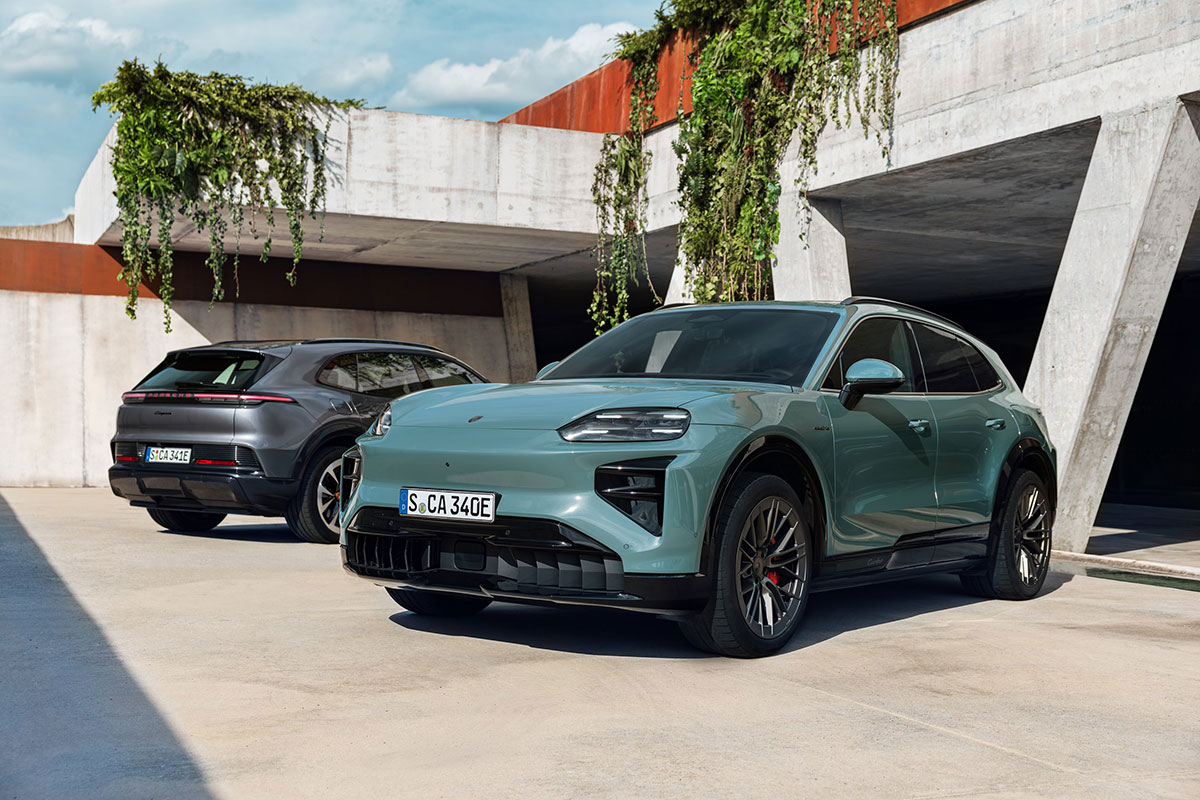
"The new Cayenne is unmistakably Porsche and unmistakably Cayenne. We've built on proven design features and preserved what makes this SUV unique. The result is a modern design concept that carries the Cayenne into the future," says Michael Mauer, Head of Style Porsche.
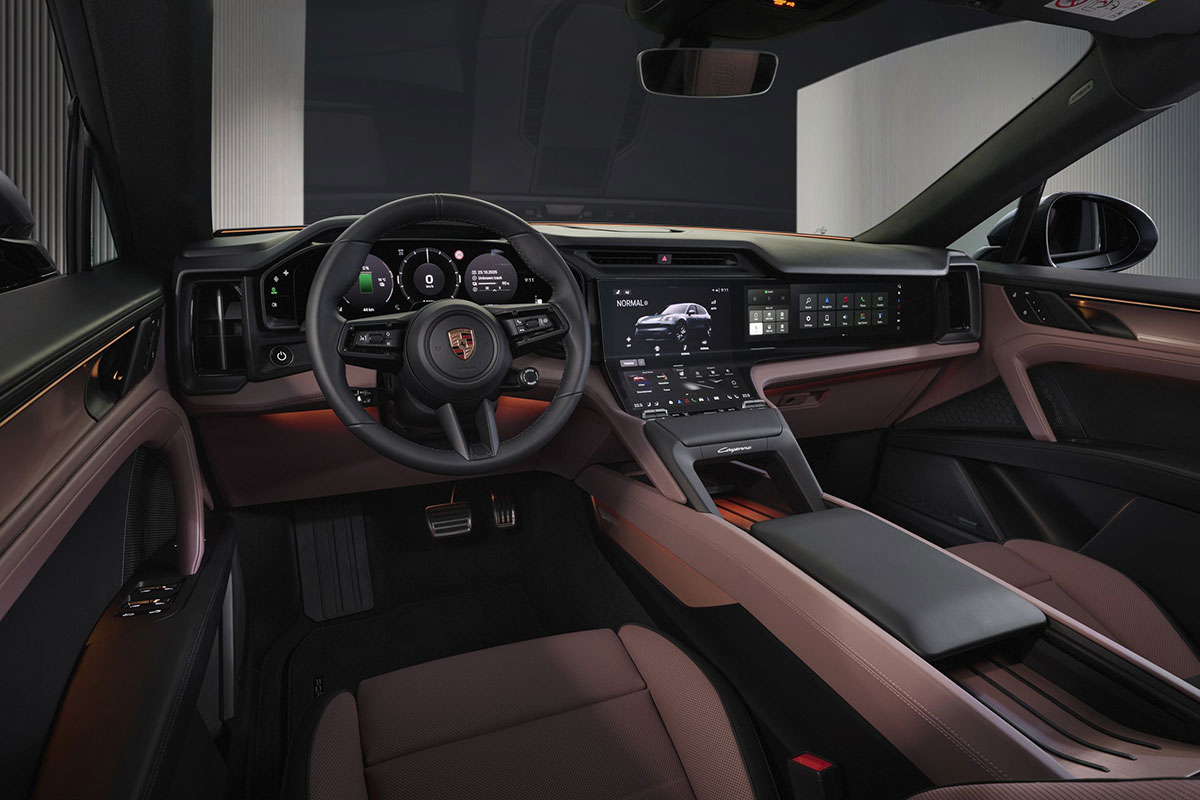
With the new Cayenne Electric, Porsche has also worked on how fast it can charge its batteries. A super-fast 400kW charger means the battery can refill from 10% up to 80% in just 16 minutes, when charging via a cable. In a first for Porsche, the Cayenne Electric is also capable of charging wirelessly, almost exactly like your iPhone can. Park it over Porsche's wireless charging plate in your car parking space and the car starts charging. It's a slower method, but undeniably more convenient when charging at home.
"The Cayenne Electric shows performance in a completely new dimension, with innovative technologies that we have developed in motorsport. It sets new standards in the SUV segment – in terms of driving characteristics as well as charging," says Oliver Blume, Chairman of the Executive Board of Porsche AG.
"Outstanding electric performance meets very real everyday usability. Excellent long-distance comfort combines with un- compromising off-road capability."
It is interesting to note that more than a third of Porsche's sport car sales are for electric vehicles these days. Now, the new all-electric Cayenne is the latest milestone Porsche's transformation; one which showcases the brand's passion for cutting-edge innovation and a considered future.
The new Cayenne Electric can be ordered now. They are expected to arrive in Australia in the third quarter of 2026. Australian prices start at $167,800 for the Cayenne Electric and $259,900 for the Cayenne Turbo Electric.