
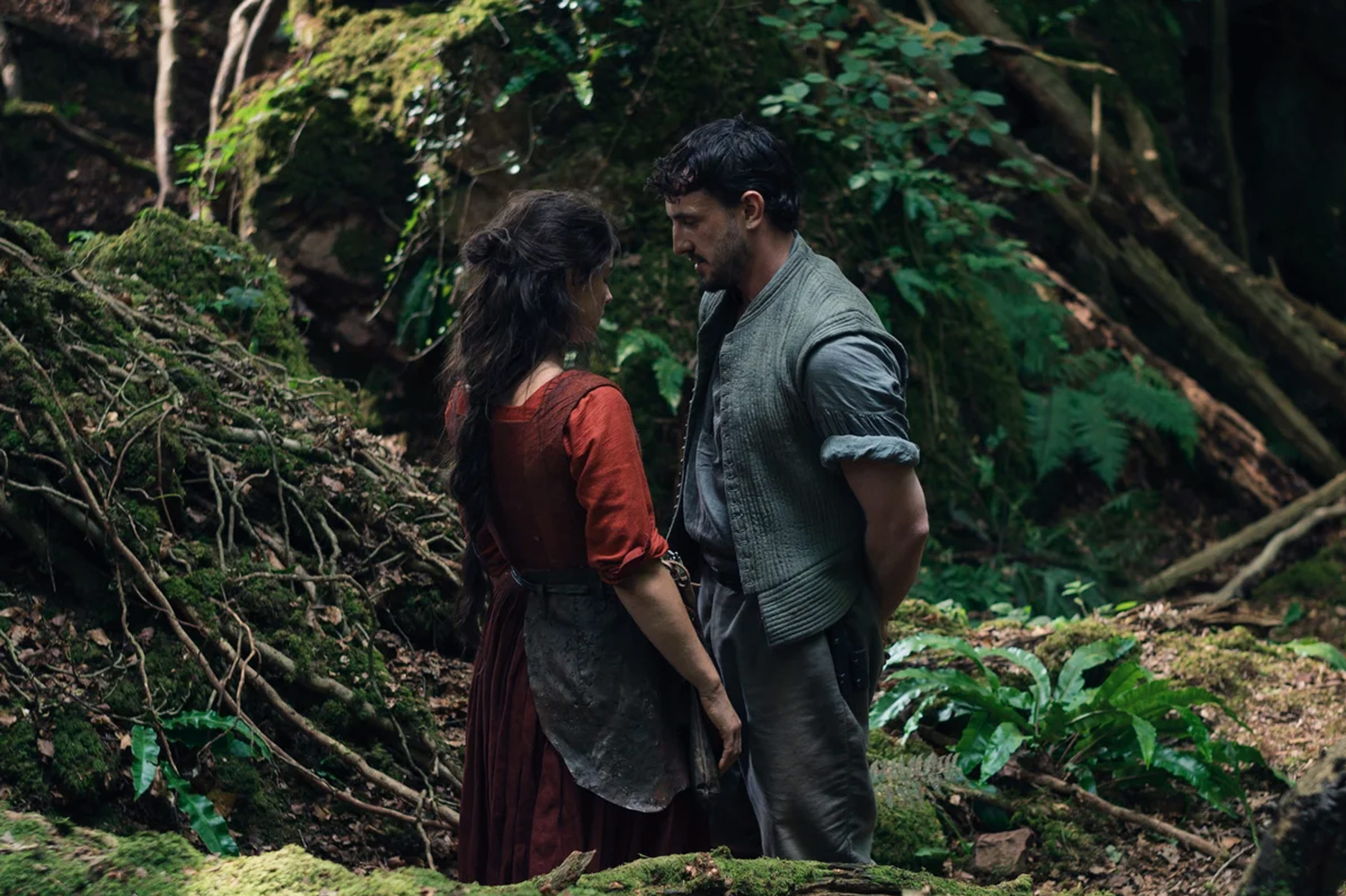
At first glance, Chloé Zhao's upcoming film Hamnet feels like an intensely personal retelling of parental grief set against the backdrop of literary history. Adapted from the book of the same name by Maggie O’Farrell, the story reimagines the private life of William Shakespeare and the devastating loss of his only son. But how much of Hamnet is true, and how much is creative invention?
What is true?
The historical foundation of the story is real. Shakespeare did have three children with his wife – often recorded as Anne Hathaway (no, not that one) but referred to as Agnes in the novel – and one of those children was a boy named Hamnet. Born in 1585 alongside his twin sister Judith, Hamnet died at the age of 11 in 1596. The cause of death is unknown, though historians commonly speculate it may have been the bubonic plague, which was widespread in Elizabethan England. Beyond these sparse facts, however, very little is known about Hamnet’s life or his parents’ emotional world.
What's fiction?
This lack of documentation is where fiction steps in. The film fills in the historical silence with imagined scenes of family life in Stratford-upon-Avon, focusing especially on Agnes as a mother and wife left largely alone while Shakespeare worked in London.
The novel portrays her as a gifted healer with near-mystical intuition – an interpretation that has no direct evidence in historical records but serves the story’s emotional logic. Likewise, the idea that Hamnet sacrifices himself to save his twin sister during a plague outbreak is purely fictional, created to deepen the tragedy and symbolism of the narrative.
What's the relation between Hamnet and Hamlet?
One of the most compelling questions surrounding his son Hamnet is his connection to Shakespeare’s famous tragedy Hamlet. The similarity between the names “Hamnet” and “Hamlet” is not coincidental – during the late 16th century, the two spellings were often interchangeable. Many scholars believe that the death of Shakespeare’s son influenced the themes of grief, loss, and madness in the play, though there is no definitive proof. And the film and book boldly embrace this theory, suggesting that personal sorrow may have shaped one of the greatest works in literary history.