
In partnership with Fujifilm
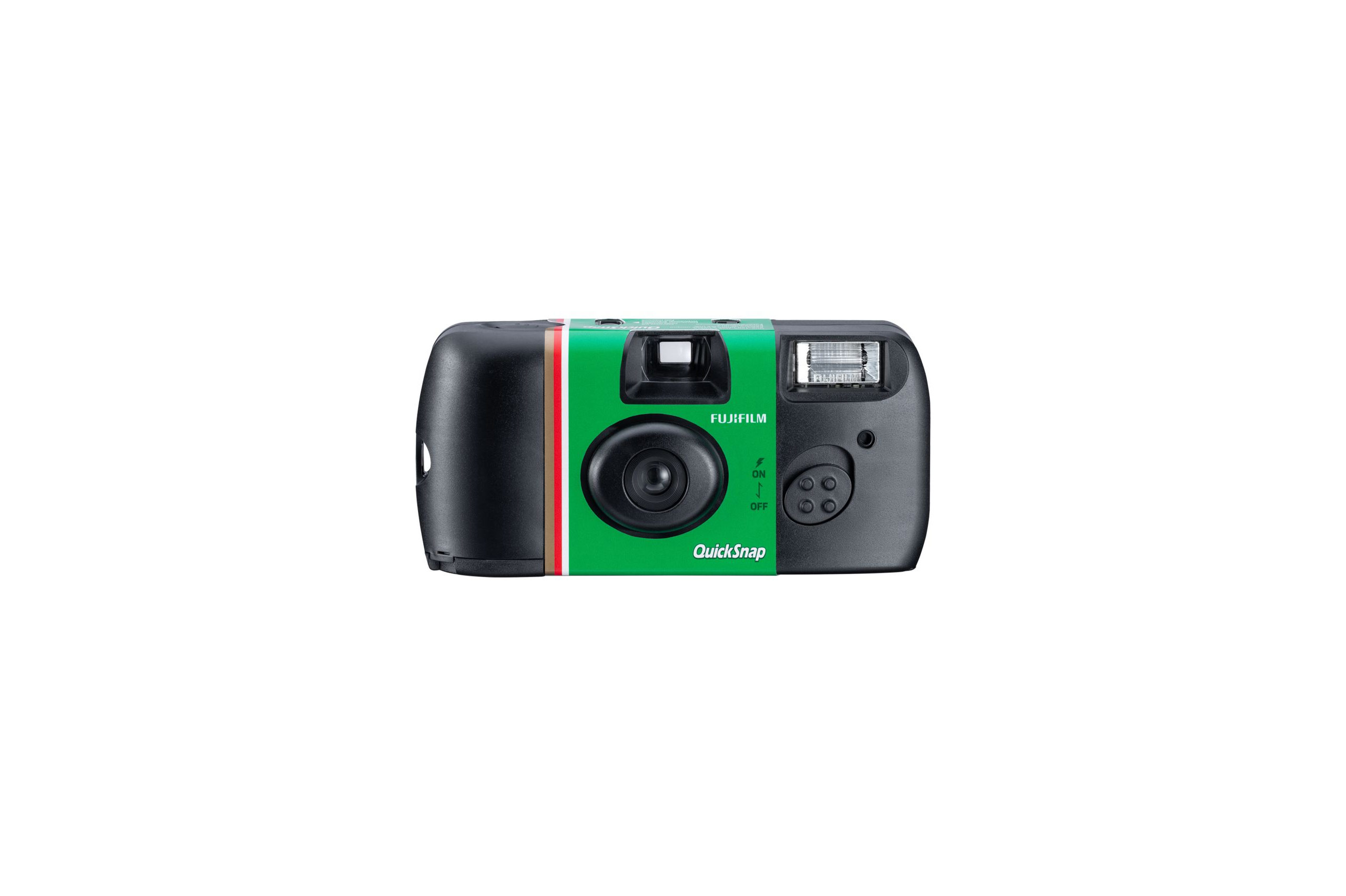
There’s something magical about the constraint of a disposable camera. Twenty-seven frames, no retakes, no edits. Just the world as it is, and the moments you choose to keep. In an age of endless scrolling and instant previews, that feels almost like a luxury –the chance to slow down, to not look twice, and to decide what truly matters.
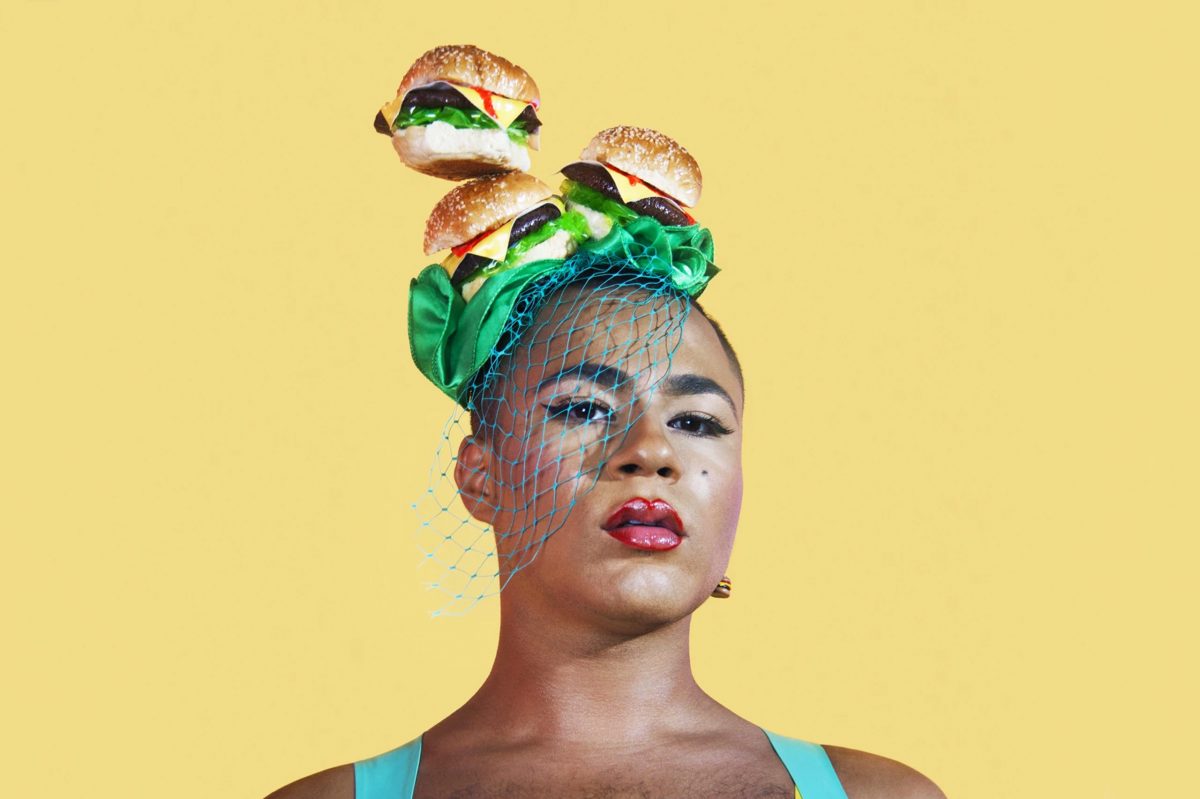
For Fujifilm Australia’s 27 Frames project, we handed a QuickSnap camera to three of our favourite creative minds – fashion designer Alix Higgins, DJ and Kiko Vintage founder Ari Kiko, and photographer and director Daniel Temesgen – and asked them to tell their story in just 27 shots. What emerged was part photo diary, part love letter to memory itself.
Higgins embraced the blur and softness, finding freedom in imperfection. Kiko reflected on the strange beauty of disposability, and how film has the power to colour memory in ways digital can’t. And Temesgen leaned into nostalgia, rediscovering gratitude in familiar faces and spaces. Each roll is intimate, imperfect, and utterly their own – a portrait not just of what they saw, but of how they chose to live in the moment.
Alix Higgins


What draws you to shooting with a disposable camera?
I love the mistakes, the softness and the blur.
How did having only 27 shots change the way you saw your surroundings?
It was challenging. I tried to come up with creative approaches to the prompts.
How did it feel to take photos without the ability to preview or edit them?
There’s a sort of abandon in that – they will be what they will be, however good or bad. That’s liberating.
Did anything surprise you when you got the photos back?
I ended up photographing quite a few things through my phone – a loud noise, a holiday, a new place. I think it’s depressing how much of my life is mediated through this little glass brick.
What story did your 27 frames end up telling?
It’s sentimental objects, people in my life who are close to me, work, creative projects, and the places I frequent.
Was there anything that didn’t make it into your 27 frames?
A few friends are overseas at the moment, mostly in Paris. It would have been nice to travel with the camera and be able to capture more.
Did using a disposable camera shift your relationship to photography — or to memory itself?
Yes – to have this delay – to look back on a moment in your life rather than always forward, fast.
How does this kind of slower, more deliberate process compare to how you usually create or document things?
I usually take 10,000 photos a day on my phone. This was much harder, as I tried to be deliberate with what was captured, and to think about the overall story the frames would tell. Not being able to go back and preview them meant there was some repetition and overlap.
Do you feel film helps preserve a moment differently than digital?
Yes, there are quite a few mistakes and blurry moments; images that are too dark. So, there are some things that are clear only to me. I think that’s quite lovely, to keep somethings to myself.
How would you describe the feeling of seeing your life in 27 frames?
It’s funny – it definitely captures this specific moment, which is a bit work work work. I would like to revisit this at a more social, leisurely time. Maybe during Fashion Week or the summer.
Ari Kiko


What draws you to shooting with a disposable camera?
The idea of disposability is complex, there is a lot of beauty in the impermanence of an object like a disposable camera – it lives to serve a distinct time, and then it dies, and time moves on. From a sustainability perspective, this temporality feels complex, my relationship the object dies, but in recognisance – through the photos it captured, it lives on.
How did having only 27 shots change the way you saw your surroundings?
With 27 shots I realised how little forethought there is to my photographic process. The beauty of prompts is that they require a level of intentionality, and as someone whose relationship to the camera is very momentary, and spontaneous, this was a big challenge. I take a photo when I see something I want to immortalise, and this process definitely turned that process on its head for me. This is for sure reflected in the beauty and the chaos of my roll. Rather than stumbling upon a moment, I had to seek one out.
How did it feel to take photos without the ability to preview or edit them?
At some point I got a lil lost in the numbers, and what was revealed to me in the roll was the moments when my camera was idle, and my attention was elsewhere – and my friends took it upon themselves to shoot. This was a lovely and nonsensical surprise, bear with me - it's real life, me and my disposable out in the world.
What story did your 27 frames end up telling?
Just like films that capture a week or two in the life of a character, without context, or lineage they come and they go, this camera really travelled with me over a period of two weeks in spring. Together we danced late into balmy nights and sunbathed watching purple flowers bloom around us.
How does this kind of slower, more deliberate process compare to how you usually create or document things?
I love film, I love the patience it requires, and the way it can bring you back into a moment you might’ve brushed over or under. Of course there is a great deal of ease and control that comes with taking pictures on my phone, the re shoot and review, you can edit, share or delete - that is an immediate feedback loop. In contrast the excitement of getting a roll of film back is really an unparalleled feeling for me. That lack of control can in fact be complex, sometimes I find a roll I’ve missed or a disposable I haven’t developed and until I get it back, I have no idea what it has to say for itself, it could bring me to a place of heartbreak or longing. Mostly I like that it colours in my memory. As someone who has had access to technological ease for most of my life, the slowness, and the ambiguity of this is very distinct.
Daniel Temesgen


What draws you to shooting with a disposable camera?
Honestly speaking, one of those things that reminds me of a specific moment or time, “oh yeah i shot that weekend on a disposable camera it was so fun” is what comes to mind when i think of times i shot disposable cameras.
How did having only 27 shots change the way you saw your surroundings?
I become picky, I’m usually already like that since I shoot film a lot so it makes me more intentional and I tend to see the beauty around me more.
How did it feel to take photos without the ability to preview or edit them?
If i had to answer this in two words in would be nostalgic and exciting
Did anything surprise you when you got the photos back?
The colourssss love the colours and also the grains and colours make everything full of feelings.
What story did your 27 frames end up telling?
Just reminded me of people I care about the spaces I adore and to be more thankful.
Was there anything that didn’t make it into your 27 frames?
My hair transitions… I like capturing my hair on a regular basis.
Did using a disposable camera shift your relationship to photography — or to memory itself?
More so memories, it showed me that I should reflect on my memories more often than not.
How does this kind of slower, more deliberate process compare to how you usually create or document things?
As much as I am in the digital world I tend to shoot film more and analog life in general so it was more so an appreciation to what I do.
Do you feel film helps preserve a moment differently than digital?
Oh yes 100% it is on a whole another level, I remember those photos and reserved memories so much more.
How would you describe the feeling of seeing your life in 27 frames?
It’s wonderful, I usually take photos of other people and this time the fact that it's about things around me makes it special.
Shop the Fujifilm QuickSnap Flash Disposable Camera