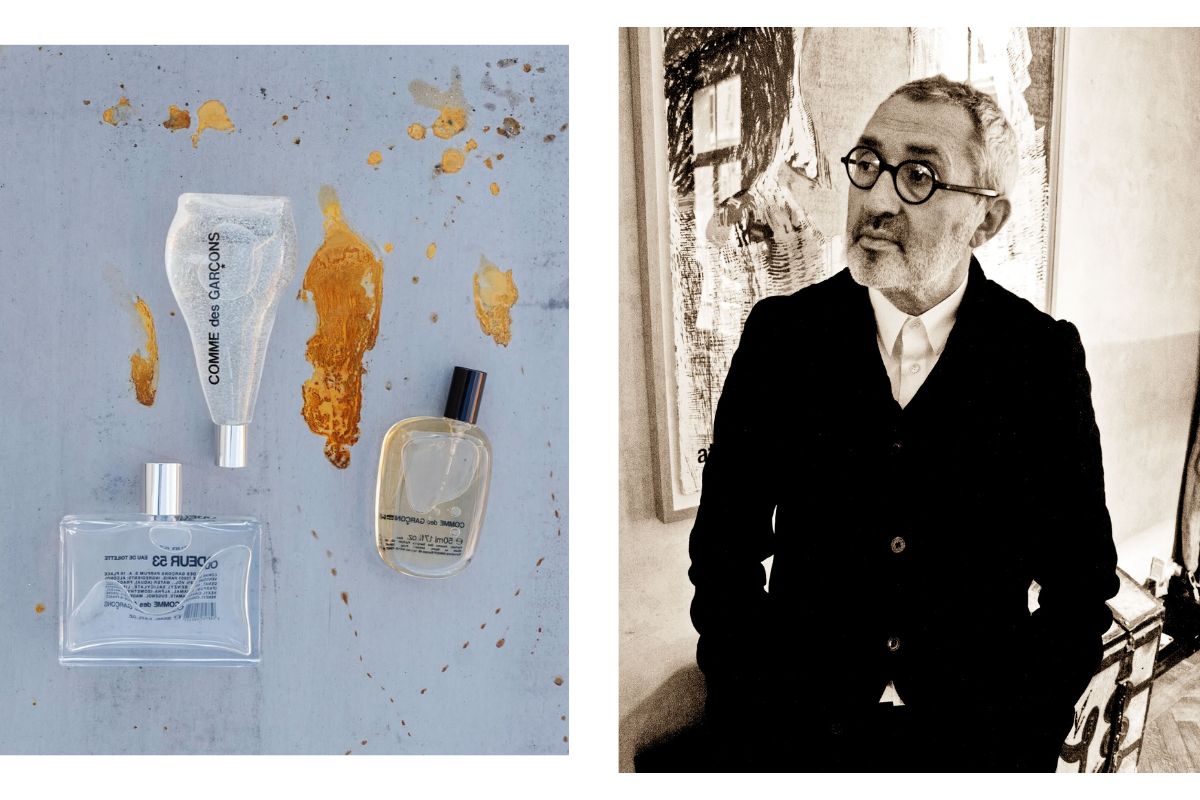
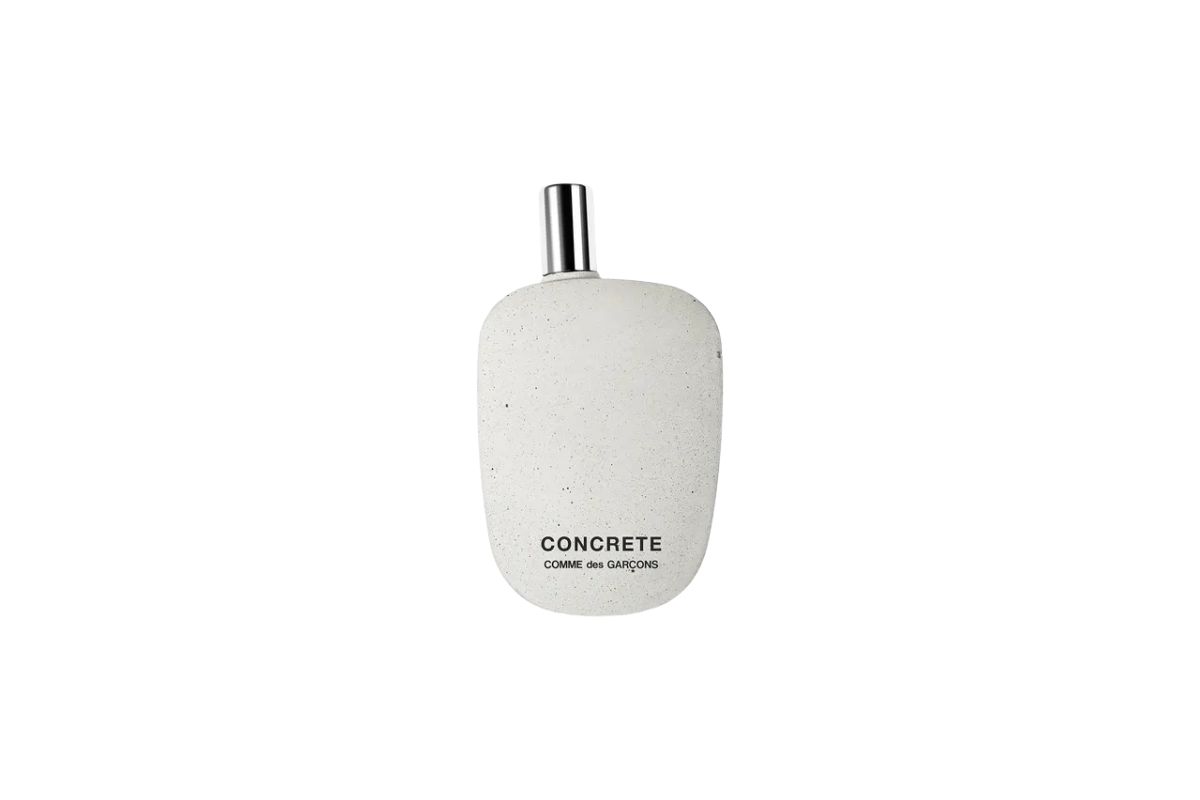
Deconstruction is a Comme Des Garçon fragrance signature. Almost every scent released by the house embodies a sense of stripped-back reality. There’s very little romance and zero stories about rare flowers picked under the full moon. Instead, they reflect back to us a version of modern urban life in olfactory form; perfumes anchored by industrial notes like concrete, ink, photocopier toner, metal, tar, nail polish, gas, wind and cigarettes.
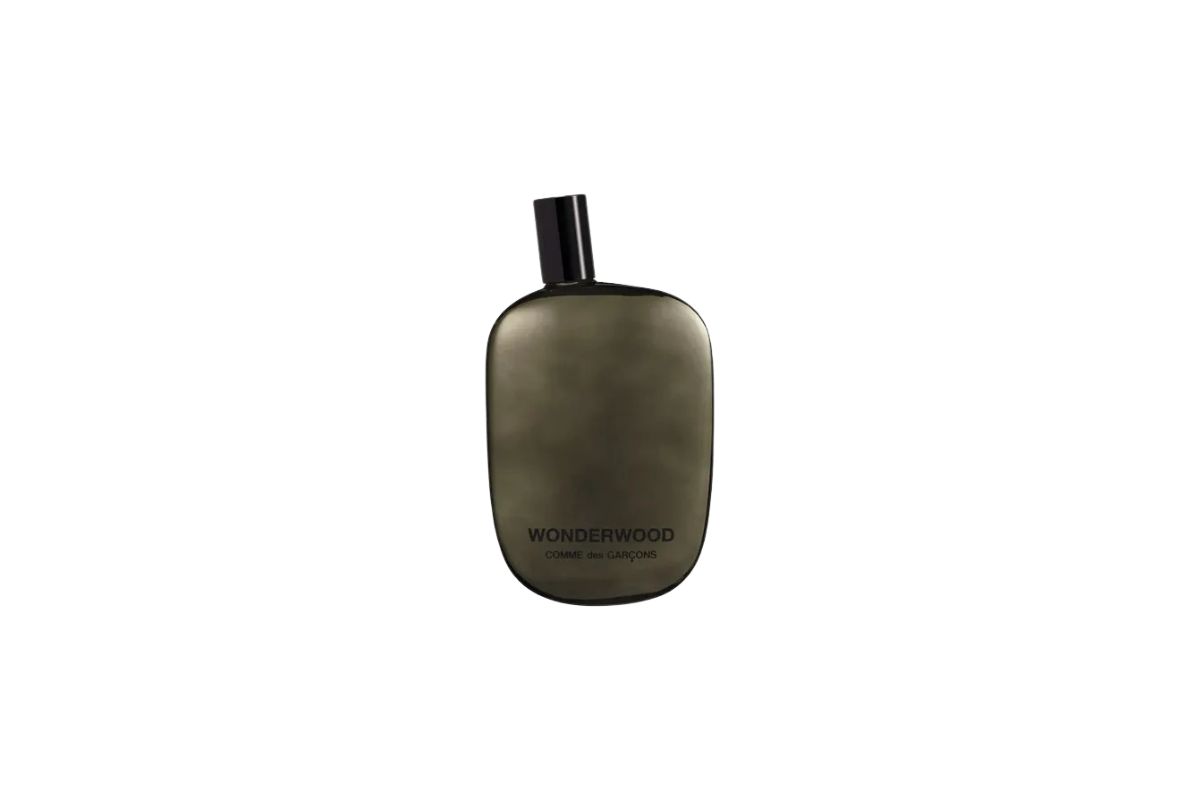
The man behind this anti-perfume perfume empire is Creative Director Christian Astuguevieille. A multi-hyphenate, he’s also a designer and artist who works closely with Rei Kawakubo on the Comme Des Garçon fine fragrance offering. Astugurvieille actually introduced the perfume atelier with the original Eau de Parfum in 1994. He’s been shaping its creative direction ever since, and is the man behind hits like Concrete, Wonderwood, Wonderoud and Amazingreen. It’s the antithesis of all the sweet gourmands that permeate FragranceTok today – Comme Des Garçon is abstract, weird and beautiful – not everyone’s cup of tea but a lifelong signature for some.
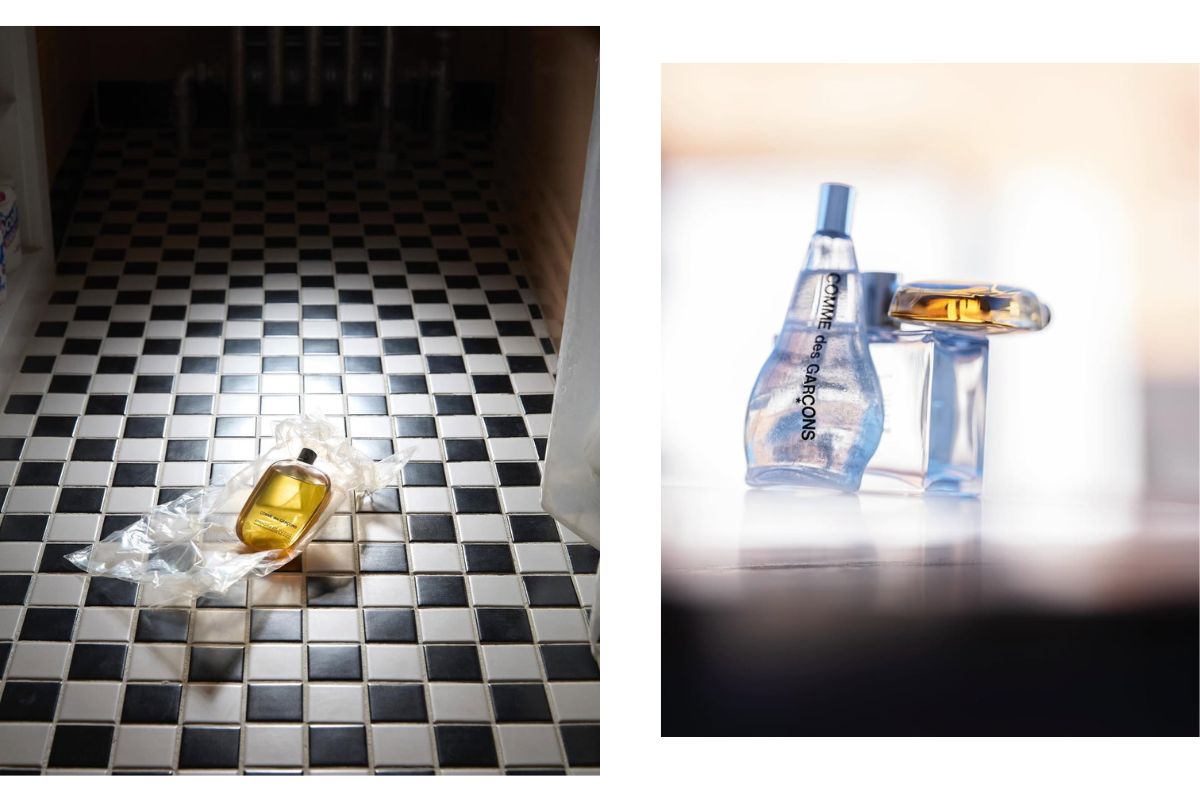
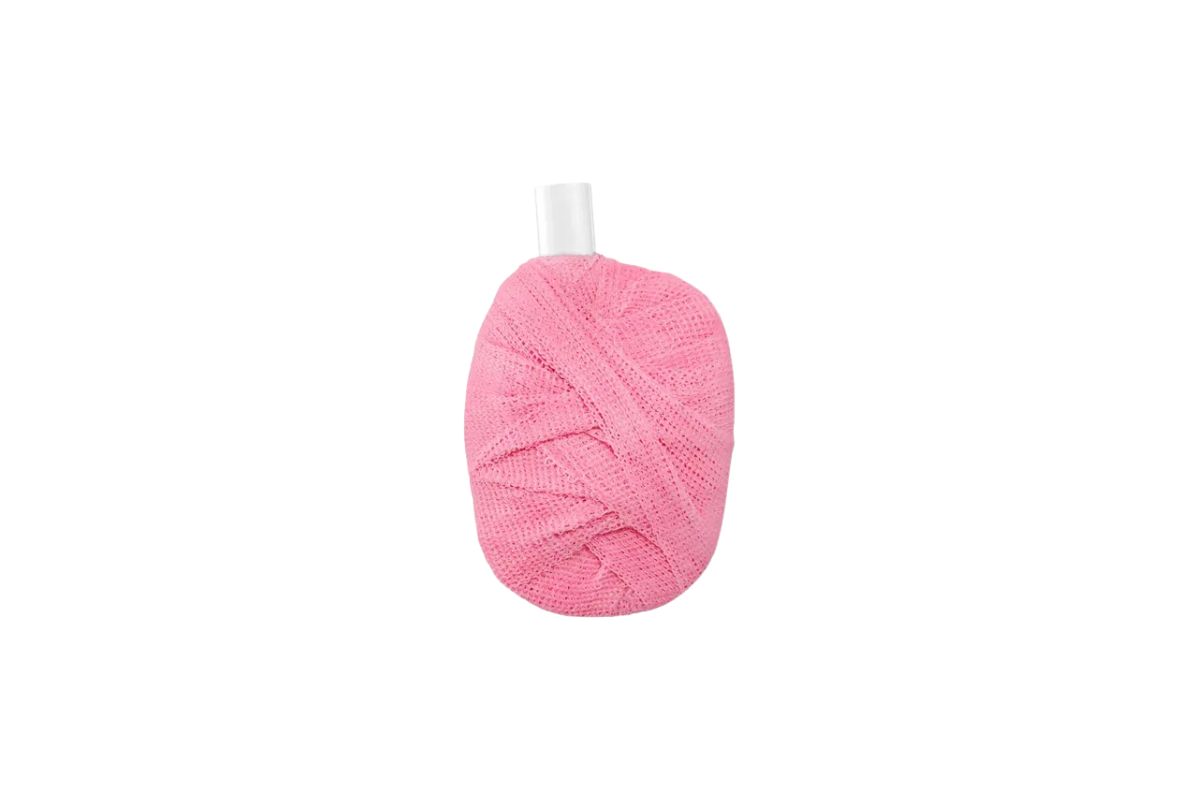
The house also recently collaborated with Mecca on Zero Than Pink, a limited pink-wrapped version of the iconic Zero fragrance. With weird notes of squeaky varnish, rose, vetiver and musk, it’s soft and vintage but synthetic all at once.
In celebration of the special collaboration, RUSSH spoke with Astuguevieille on creativity, uniqueness, his obsession with weird synthetic notes, working with Kawakubo, his enduring desire to be different and the best smell in the world.
The complete interview, below.
To begin, tell me about your earliest perfume-related memory?
A summer walk in Provence – the scent released from a crushed fig leaf.
So how did you approach or think about the initial Comme des Garçons fragrance; what was the creative vision or idea you had in mind?
The final concept, together with Rei Kawakubo and Adrian Joffe, was to try to be very different from all the fragrances available on the market at that time. The idea was to cultivate difference — from the bottle design to the fragrance itself and as well as in its vacuum packaging.
You often work with perfumers to bring your ideas to life; what do you look for in a collaborator?
I look for attentive listening, a deep understanding of the projects, freedom and a touch of madness. Above all, I loom for perfumers who work with as few constraints as possible.
What about Rei Kawakubo? How would you describe your creative dialogue with her when developing a fragrance?
Our olfactory process unfolds in two phases: Rei Kawakubo shares her ideas, I add my own suggestions and together we define several creative directions. From there, I collaborate with perfumers on multiple briefs. After a few months, I present fragrances to Rei and the team that reflect the original concept. We smell them together — Rei and Adrian — and if they like them, we move forward. If not, we go back and I restart the research again.
And where does the creative process for a new scent begin? Do you consider a texture, a material or a mood?
The process begins first and foremost with a concept, and then develops through a mix of different materials, often breaking away from traditional scents — all with freedom and boldness, without compromise.
Tell me about your fascination with materials like rubber, wood, concrete and metals – how do these influence your work?
My desire for different raw materials feels natural in relation to everyday life, really. Rubber, tar, nail polish, smoky woods, concrete and tea are smells we encounter daily. Personally, I think they bring new and unconventional raw materials into perfumery.
Comme des Garçons Parfums has a cult following for its unexpectedness. Do you ever feel pressure to surprise people?
It’s not about trying to surprise… I think the desire is rather to surprise ourselves.
Let’s say you’re working on a scent and you’ve gone through multiple iterations – how do you know when it’s finally finished?
This decision is actually made by a very small team. At a certain point, when you’re deep in testing and smelling a new project, we get to a point where we’re certain it meets our expectations, as well as the original concept.
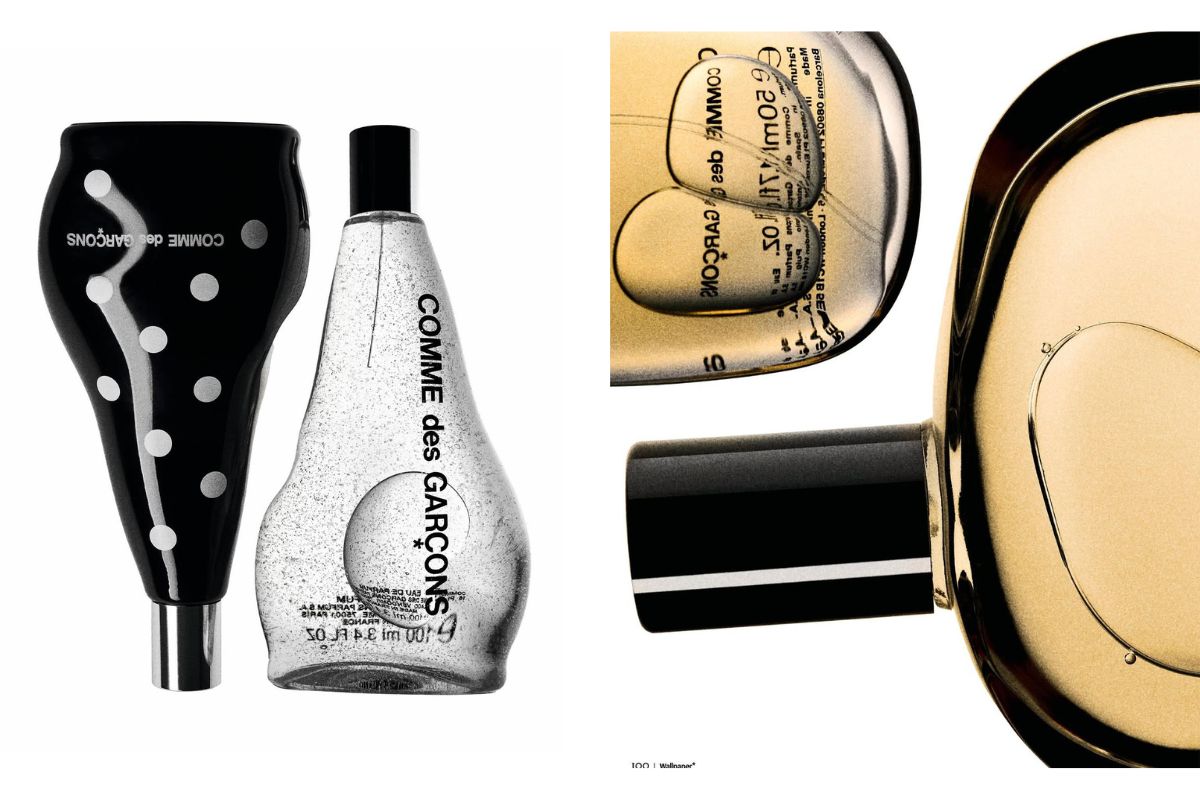
What continues to inspire you to create scents that challenge convention?
Probably the constant desire to be different while remaining appealing and original. I aim to create fragrances that attract very different kinds of people.
Which Comme des Garçons fragrance do you feel most connected to personally?
Odeur 53. Above all, it is a manifesto for a different kind of perfumery.
What scents are grounding you in your own day-to-day life?
The scents in my daily life are vetiver, incense and tar. But above all, I’m deeply inspired by smelling and wearing future Comme des Garçons projects.
Perfumery is becoming increasingly commercial and trend-driven. How do you maintain a sense of purity within the landscape?
Our olfactory work is never, ever based on current trends. In fact, it’s the opposite. We work with raw materials and new molecules that we develop in collaboration with perfumers.
What do you hope people feel when they wear one of your scents?
Different, strong and original.
And finally, in your opinion, what is the best smell in the world?
A July evening in a village in Provence, in a small alley between two enclosed gardens overflowing with jasmine, but the alley has just been freshly tarred. That, to me, is perfect.
Zero Than Pink
Wonderwood
Concrete
Images: @comeedesgarconparfums