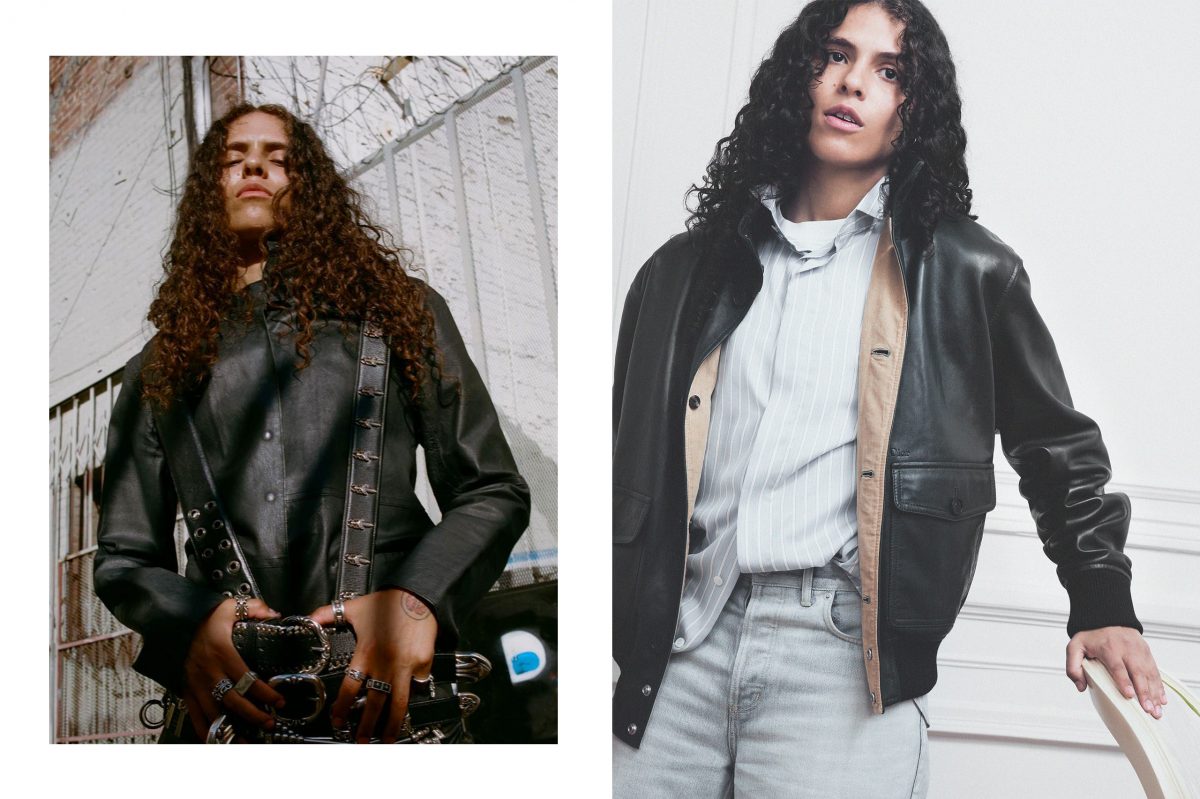
He once said that fashion should never dominate the person, that it should simply accompany them through life. It’s a thought that lingers now, in the stillness he’s left behind. Giorgio Armani’s work was never about spectacle or status – it was about how a garment could move with a person, how simplicity could feel like freedom. His clothes didn’t speak loudly, but they stayed with you, the way certain gestures do.
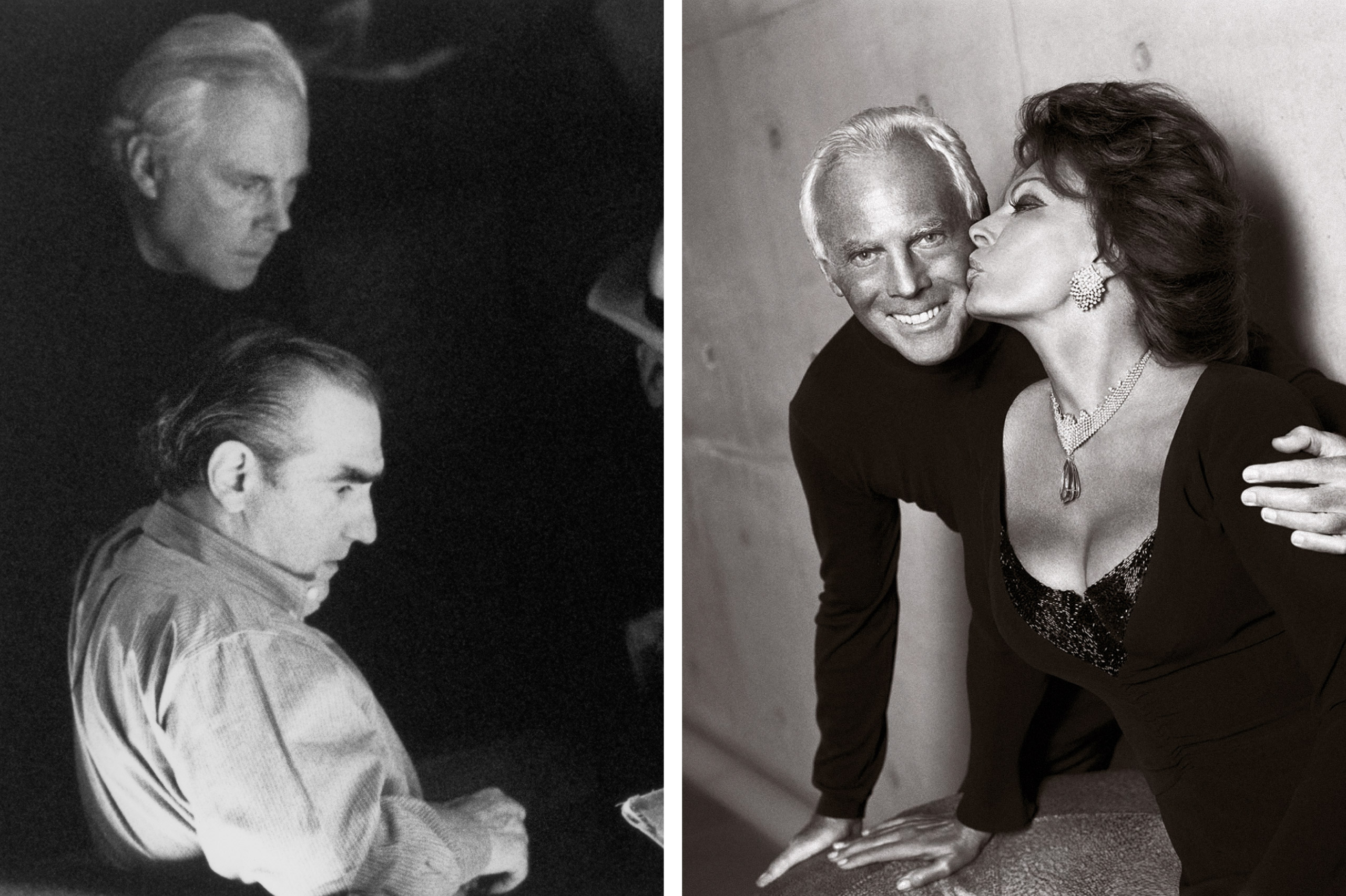
When Armani founded his House in Milan in 1975 with Sergio Galeotti, it wasn’t ambition that drove him so much as instinct – a quiet urge to pare things back, to let the body breathe. From a modest studio came a new kind of elegance: softer, freer, more human. His first men’s collection a year later was radical in its subtlety, deconstructing the suit and giving it ease. For women, he offered the same release – tailoring that replaced stiffness with movement, power with calm. What emerged wasn’t just a look, but a feeling: of self-possession, of quiet confidence, of clothes that didn’t wear you, but lived alongside you.
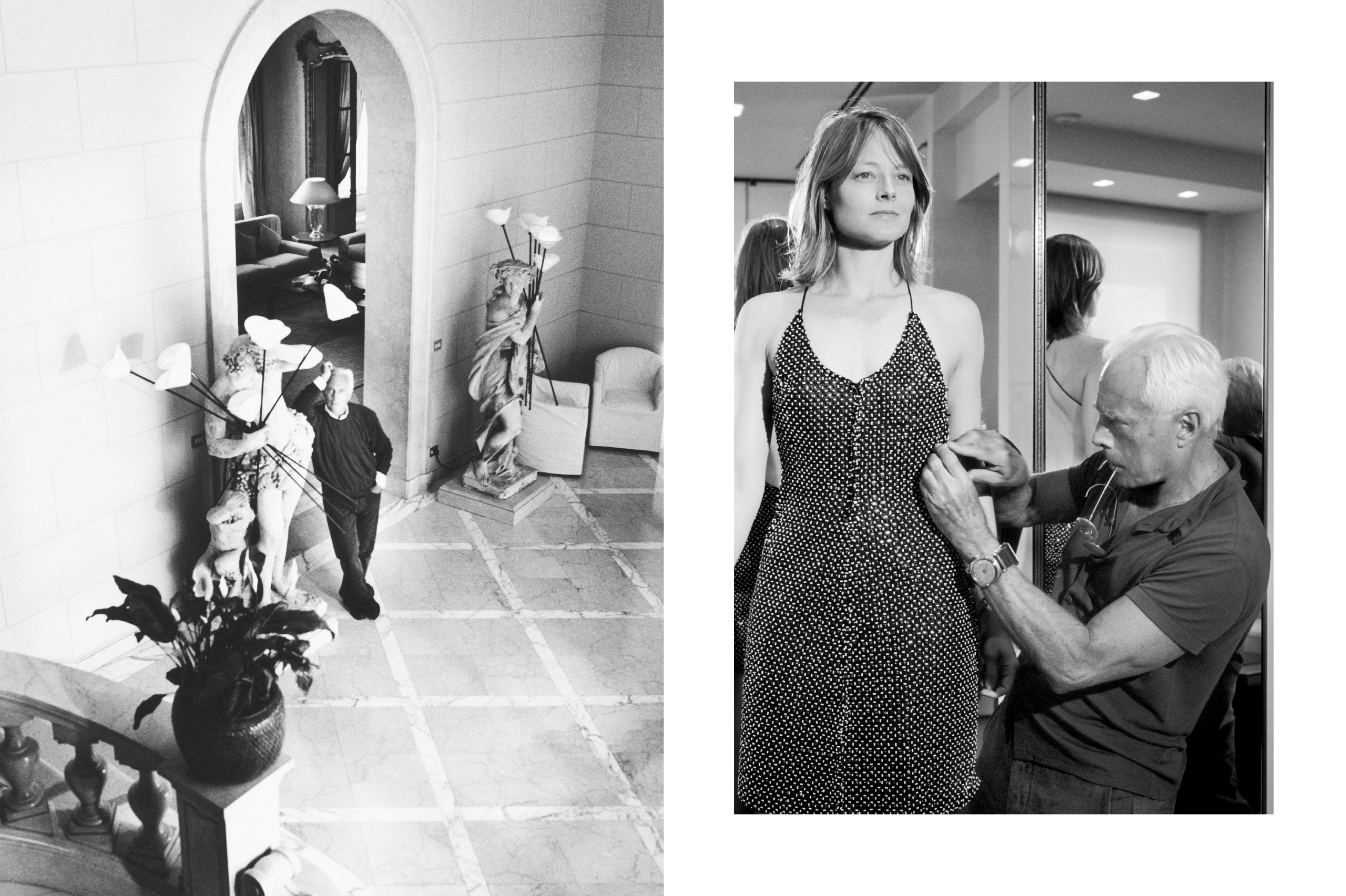
Over time, that feeling became his signature. Armani taught us that neutrality could be expressive, that restraint could hold emotion. His palette – the infinite greys, the whispers of sand and stone – spoke of serenity rather than austerity. He designed not to command attention, but to create presence. His work invited closeness. It was never about decoration, but about truth.
“The suit has changed the world. It democratised fashion.”
That pursuit of truth, of harmony, is what has allowed his world to endure. Even now, half a century after that first collection, his philosophy continues to unfold through Armani/Archivio – the House’s living archive, created to preserve not only garments, but the evolution of an idea.
Thousands of pieces spanning fifty years have been catalogued and interpreted: the unstructured suits of the seventies, the liquid silks of his nineties, the sculptural forms of his couture. But this archive is no shrine to nostalgia. Armani/Archivio was conceived as a conversation – a bridge between past and present, inviting reflection, reinterpretation, and renewal. It feels almost like Armani’s final gift: an open door, a continuation of dialogue. Through its digital platform, launched at the Venice Film Festival, his vision remains accessible – living, breathing, teaching.
That same dialogue found physical form in Milano, per Amore, the exhibition at Milan’s Pinacoteca di Brera, created for the maison’s fiftieth anniversary. It was, in every sense, a love letter – to the city that shaped him, and to art itself. Armani had long felt at home in Brera, drawn to its quiet elegance and intellectual pulse. There, among centuries of Italian masterpieces, over a hundred of his garments were suspended like brushstrokes in motion – an intimate conversation between fabric and painting, proportion and light.
He once said an exhibition could be an act of ego, or it could be a gesture of education – and he always chose the latter. In the stillness of those museum halls, his work became a lesson in restraint and emotion. Garments hovered on invisible mannequins, the human presence only suggested, never shown. “His rigour evolved from aesthetic to ethical,” said Angelo Crespi, the Pinacoteca’s director, “permeating his way of living and working.” And in that way, the exhibition became not only a tribute to Armani, but to Milan itself – cultured, composed, quietly alive.
His world was always larger than fashion. The same clarity of thought extended into interiors, architecture, fragrance – each realm guided by the same belief that beauty should bring peace. Armani/Casa, which marked its twenty-fifth anniversary this year, was perhaps his purest expression of that idea. Born from curiosity in the early eighties, it translated his sensibility from the body to the home: lacquered woods, mother-of-pearl, handworked straw marquetry – objects that felt both contemporary and timeless. Each piece told a story of patience and craftsmanship, made in close dialogue with Italian artisans. From Armani/Dada kitchens to Armani/Roca bathrooms, his interiors spoke softly of what he valued most – proportion, texture, light.
“Over five decades, Armani created not just collections but a vocabulary for living. He showed that sensuality could live in simplicity, that confidence could exist without performance. His influence was never just aesthetic – it was cultural.”
The same philosophy shaped his hotels, from the Burj Khalifa in Dubai to Via Manzoni in Milan. They weren’t destinations of display, but of repose – sanctuaries built on silence and sensation. Walking through them felt like stepping into the mind of the designer himself: everything measured, everything calm.
Over five decades, Armani created not just collections but a vocabulary for living. He showed that sensuality could live in simplicity, that confidence could exist without performance. His influence was never just aesthetic – it was cultural. When the Guggenheim Museum honoured him in 2000, it was acknowledging a worldview as much as a body of work. Armani had changed the visual language of modern life: how we understood elegance, how we defined power, how we dressed to feel like ourselves.
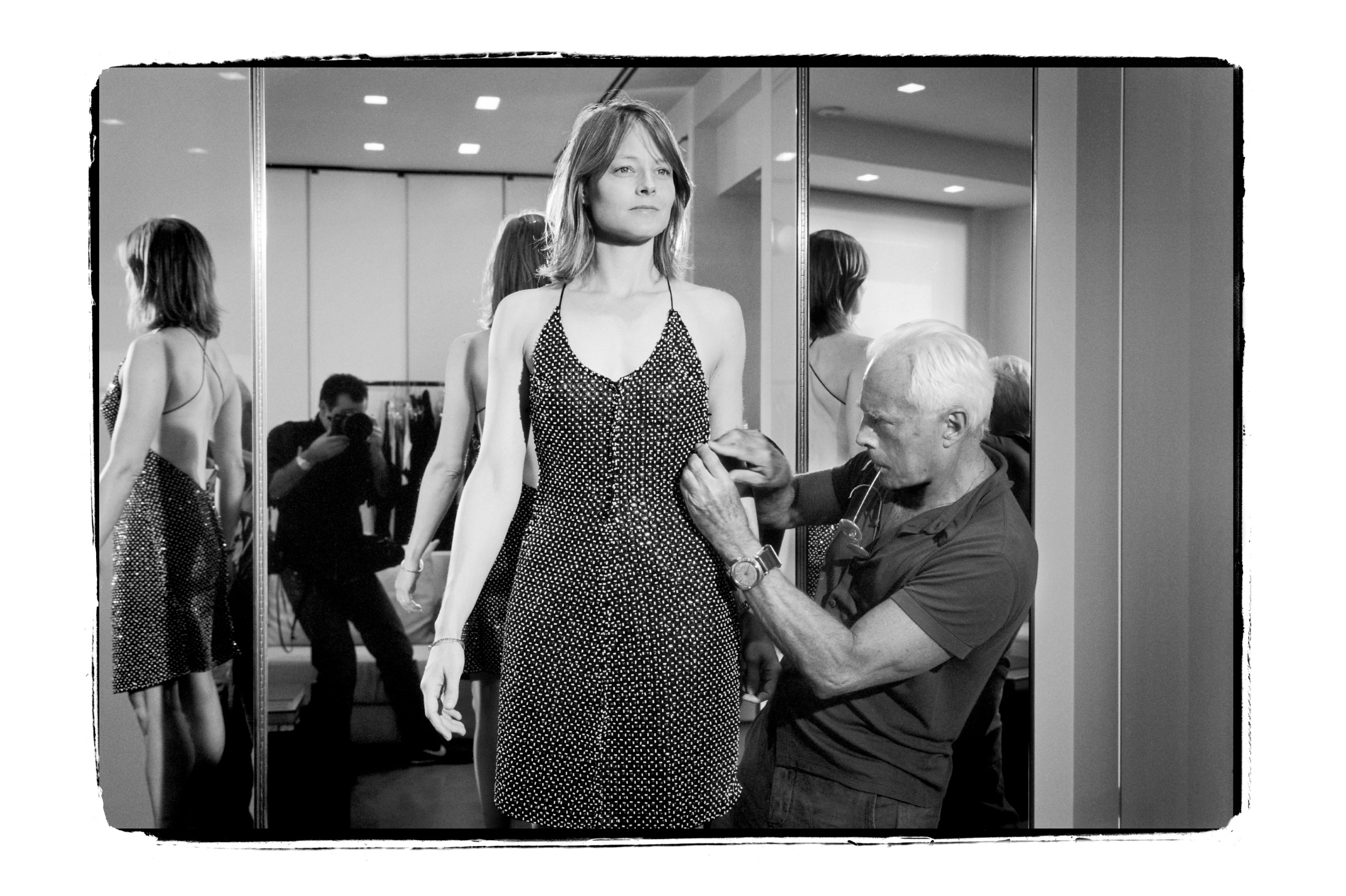 Recognition followed, though he wore it lightly. The Compasso d’Oro Lifetime Achievement Award in 2014 praised him for revolutionising prêt-à-porter and shaping the image of Made in Italy. He accepted it not as a personal accolade, but as validation of a belief – that design, at its best, humanises the everyday.
And that, perhaps, was his truest legacy. Armani’s genius wasn’t only in what he made, but in how he made people feel. He believed in beauty as respect – for craft, for culture, for life itself. Even in an age defined by noise, he remained committed to quiet. His restraint was radical, his consistency courageous.
Now, in his absence, what remains is not just memory, but presence – in the drape of a jacket, the serenity of a room, the way light falls across a surface. His world continues, not as nostalgia, but as atmosphere.
Giorgio Armani’s greatest legacy was never a single garment or collection. It was a way of being. A reminder that the simplest things – a line, a tone, a gesture – can hold entire worlds inside them, if only we choose to look closely enough.