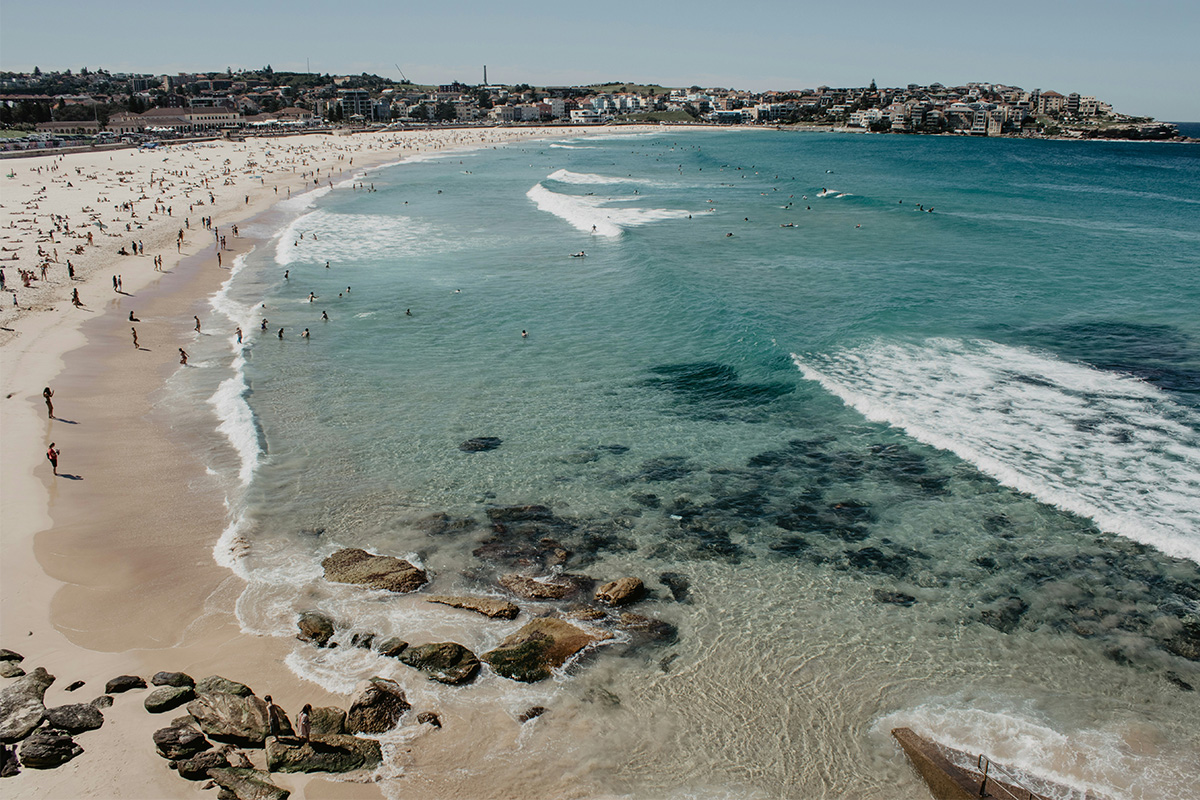
On Sunday evening, 14 December, a terrorist attack took place at Bondi Beach. What should have been a peaceful summer night became an act of targeted violence against Sydney’s Jewish community, leaving at least 15 innocent people dead and dozens more injured.
As hospitals across the city continue to care for those affected, Australians are grappling with the shock and senselessness of what has occurred. In the days following events like this, many people ask the same question: what can I do to help? One of the most direct and meaningful ways to support victims of mass trauma is by donating blood.
Why blood donations are so important right now
After incidents involving serious injuries, hospitals rely heavily on blood supplies to perform emergency surgeries and treat patients with life-threatening wounds. Trauma care places immediate pressure on blood banks, particularly for O-negative blood, which can be given to anyone in an emergency.
Beyond moments of crisis, donated blood is also used every day to support people undergoing cancer treatment, complicated births, major surgeries and long-term medical care. A single donation can help save multiple lives.
How to donate blood in Australia
If you’re able to donate, the process is simple and straightforward.
1. Check if you’re eligible
Eligibility requirements are in place to keep both donors and recipients safe. Most healthy adults can donate, but it’s best to confirm before booking. You can see the list of requirements here.
2. Find a donation centre
The Australian Red Cross Lifeblood operates donation centres across Australia. Locations are available in major cities and regional areas, making it possible to donate in a place convenient to you.
You can also use Lifeblood’s official “find a donor centre near you” search tool. Alternatively, here are several donor sites across Sydney:
Fixed donor centres:
- Sydney York Street Donor Centre – Level 1, 1 York St, Sydney NSW 2000
- Sydney Town Hall Donor Centre – St Andrews House, 483 George St, Sydney NSW 2000
- Chatswood Donor Centre – Shop 62, Chatswood Interchange, 436 Victoria Ave, Chatswood NSW 2067
- Liverpool Donor Centre – Unit 5 & 6, 50‑52 Macquarie St, Liverpool NSW 2170
- Marrickville Donor Centre – Level 1, 76a Edinburgh Rd, Marrickville NSW 2204
Mobile and pop‑up donor sites:
- Sydney Olympic Park Mobile Donor Centre – Cnr Dawn Fraser Ave & Showground Rd, Sydney Olympic Park NSW 2127
- South Eveleigh Pop‑up Donor Centre – The Forum, 1 Locomotive St, Eveleigh NSW 2015
For booking or eligibility questions, call 13 14 95.
3. Book an appointment
Appointments can be booked online or by phone. A whole blood donation usually takes around 10 minutes, with the full visit lasting about an hour. Because many Australians are currently trying to donate in the wake of the Bondi tragedy, appointments today may currently be booked out. Lifeblood is urging for people to continue to make appointments in the coming days and weeks, to ease demand.
4. Other ways to donate
If you’re a returning donor, plasma or platelet donations are also valuable. These are often used to treat other critically ill patients, including burn victims, people with clotting disorders and patients undergoing chemotherapy.
5. After your donation
It’s normal to feel a little tired afterwards. Staying hydrated and resting briefly usually helps. If you feel unwell following your donation, Lifeblood can provide follow-up support.
Should you donate directly to a hospital or to a blood bank?
In general, it is best to donate through an official blood bank or donation centre, rather than directly to a hospital.
Because all blood donations must be carefully screened, tested, and matched to patient needs to ensure safety, hospitals rarely accept them directly from individuals,
Blood banks manage logistics and storage. Similarly, they know which hospitals need which blood types, and can distribute donations efficiently to where they’re most needed. Blood banks also follow strict procedures to protect both donors and recipients.


Feature image by Madeleine Craine, via Unsplash.