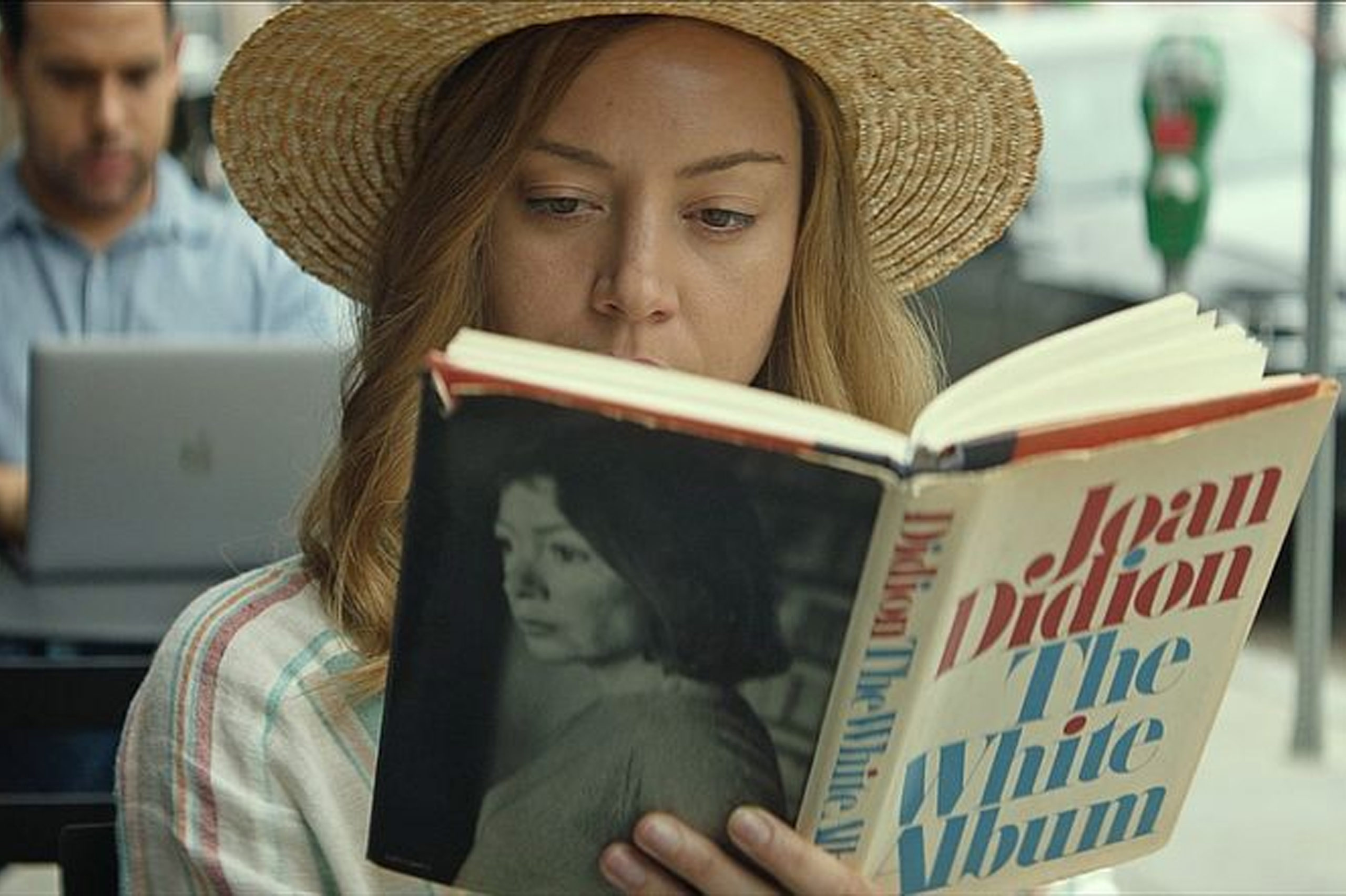
Reading has been my quietest form of self-rescue for as long as I can remember.
Before therapy ever felt realistic, affordable or emotionally possible, reading stepped in. Stories softened the heaviness until I could carry it myself – not in a typical self-help sense, but as a very accessible form of emotional companionship; they became grounding reminders, short-term fixes and emotional life rafts during seasons when I did not yet have the tools to ask for help in any other way.
This relationship started young. I was the kid who got told off for reading instead of doing homework, the one haunting the biannual Scholastic Book Fair like it was a second home. Growing up as a POC kid in a predominantly white atmosphere, books were more than entertainment. They were refuge, education and reassurance. They gave me language for the things I did not yet know how to name. They taught me who I was and who I might become, offering glimpses of worlds bigger and kinder than the one around me.
"[Books] became grounding reminders, short-term fixes and emotional life rafts during seasons when I did not yet have the tools to ask for help in any other way."
As an adult, that instinctive turning towards books has only grown deeper. Reading to me is comparable to therapy and, on many levels, a more accessible alternative when the real thing feels out of reach. It is not a replacement, but a stand-in. A place to go when I need escape, untangling or understanding. When my mind turns loud or tangled, books steady me. Fiction offers glimpses into other lives and creates inspiration for aspiration. Non-fiction, like a wise grandparent, advises me not to repeat history or encourages me to find strength in the footsteps of those before me. Stories reflect the emotions I feel and parallel the human condition, lending perspective beyond the catastrophising mind.
It turns out this is not just sentimental thinking but something supported by science. Research has shown that the brain doesn't treat books as entertainment, but as experience. One study conducted showed that as a story’s events changed (e.g. a character moves, manipulates an object), the same brain regions were activated as when people actually move or perceive those things in real life. Another study even coined a term for it: "narrative transportation", a state where attention, emotion, and imagery are "pulled into" the story world after experiments showed that when people are transported by a story, they feel emotions as if events were happening to them, and their beliefs and self-perception can shift accordingly. In other words, stories operate as “experiential simulations” that can be as psychologically impactful as direct experience.
"Stories reflect the emotions I feel and parallel the human condition, lending perspective beyond the catastrophising mind."
Living in Melbourne, a UNESCO City of Literature, has only strengthened that bond. This city makes it easy to stay in conversation with books. Public libraries, neighbourhood book-swap fridges, independent bookstores, community reading groups and festivals like the Melbourne Writers Festival and Emerging Writers Festival all form a kind of literary habitat. And if purchasing books feels inaccessible or unsustainable, libraries are an incredibly valuable resource. Many now offer free access to audiobooks, e-books and digital reading platforms. These are services we already contribute to through our taxes, so it feels more than reasonable to make use of them.
When I first moved here in 2018 and was having a difficult time, I wish I had known how much community already existed around reading and shared curiosity. It would have made the city feel far less overwhelming.
"It turns out this is not just sentimental thinking but something supported by science. Research has shown that the brain doesn't treat books as entertainment, but as experience."
Now, as we move into the holiday period, I am reminded of how easily feelings can sharpen at the edges. This time of year, can be heavy for many of us: loneliness, overwhelm, complicated family dynamics, the pressure to feel cheerful. Therapy and mindfulness can feel hard to navigate, especially when emotional bandwidth is low. Books, however, remain accessible. They sit patiently by the bed or in the tote bag, always ready to offer escape, grounding or companionship.
So as the year winds down, here are six books that have acted as gentle therapy for me in different ways or offered distraction through complete immersion into other lives. I hope they can do the same for you this holiday season:
1. Ex-Wife by Ursula Parrott

For when you want to feel like a fashionable, chic, slightly chaotic writer trying to carve out independence and desire in the Jazz Age. This novel is vivid and sharply observant, partly because so much of it is drawn from Parrott’s own life. It transports you straight into 1920s New York, full of smoky bars, shifting morals and women learning to exist on their own terms.
2. The Will to Change by Bell Hooks

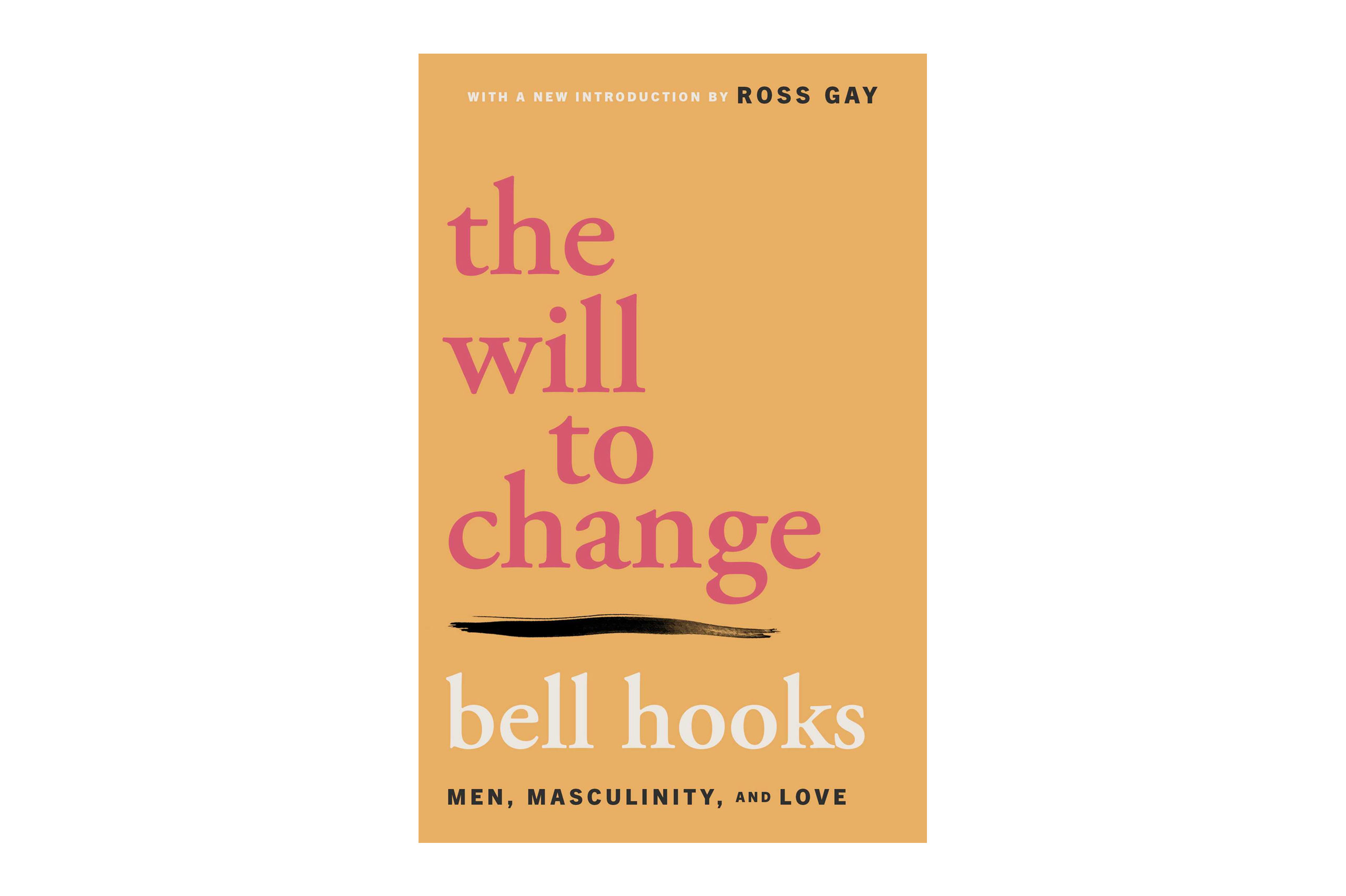
For when you are feeling anger towards men and the state of the patriarchal world, but want to re-centre yourself and keep striving for a compassionate form of feminism. hooks unpacks how understanding, healing and dismantling internalised gendered expectations can improve life for everyone. She reframes everyday situations to show how deeply patriarchy harms men too, and how ingrained these patterns are in our daily actions, even when we are aware of our own biases.
3. Invisible Women by Caroline Criado Perez
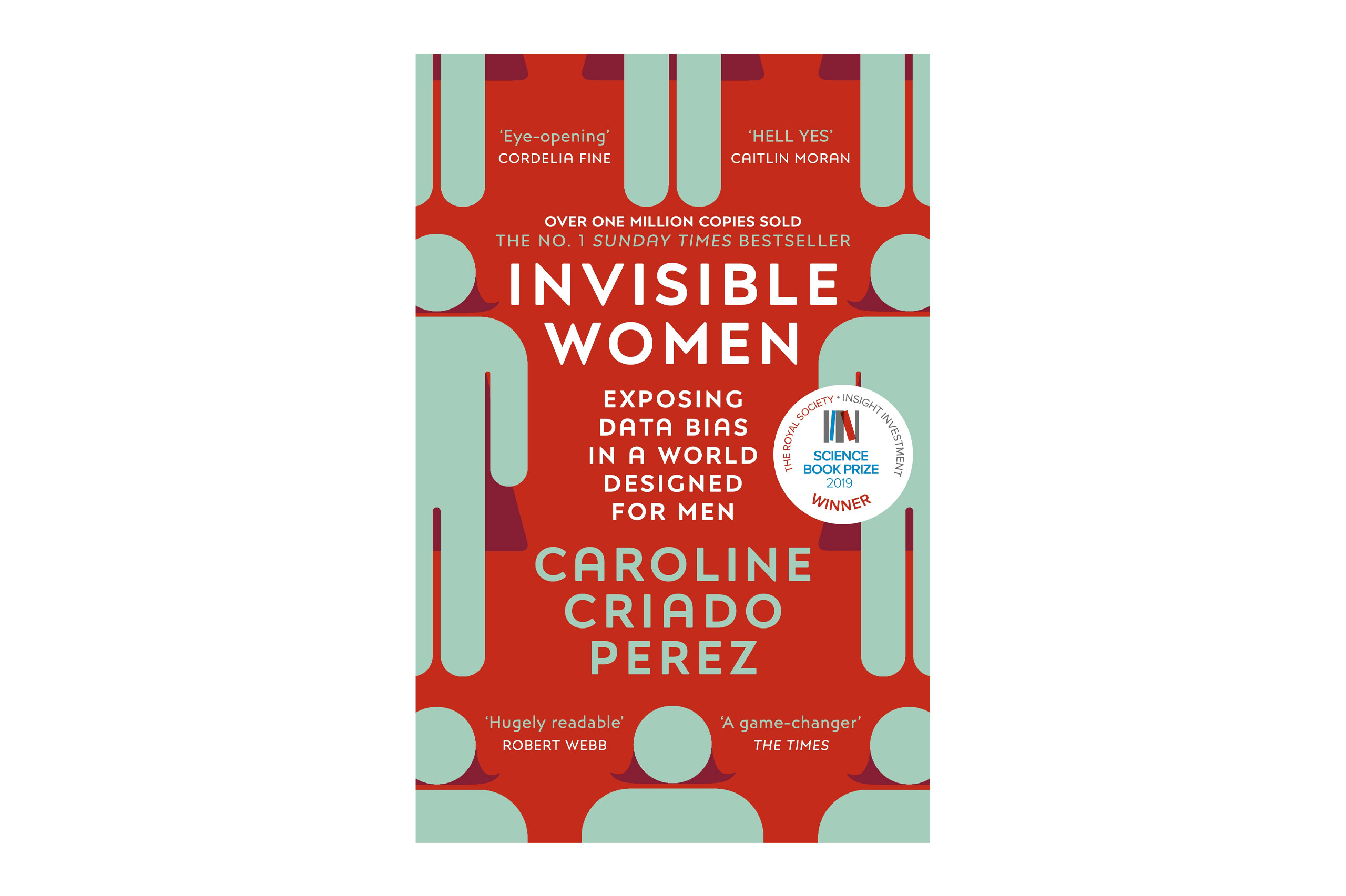
For when you want to keep deliberately fuelling that rage. This book is full of statistics, research and studies on how the lack of data collection on and for women affects them in almost every aspect of their lives. It might seem like an intense addition to this list, but I find factual books like this grounding. They remind me of what matters and help me step away from rumination about intangible worries. And yes, having a few solid facts in your pocket is always useful around misogynistic family members.
4. Penance by Eliza Clark
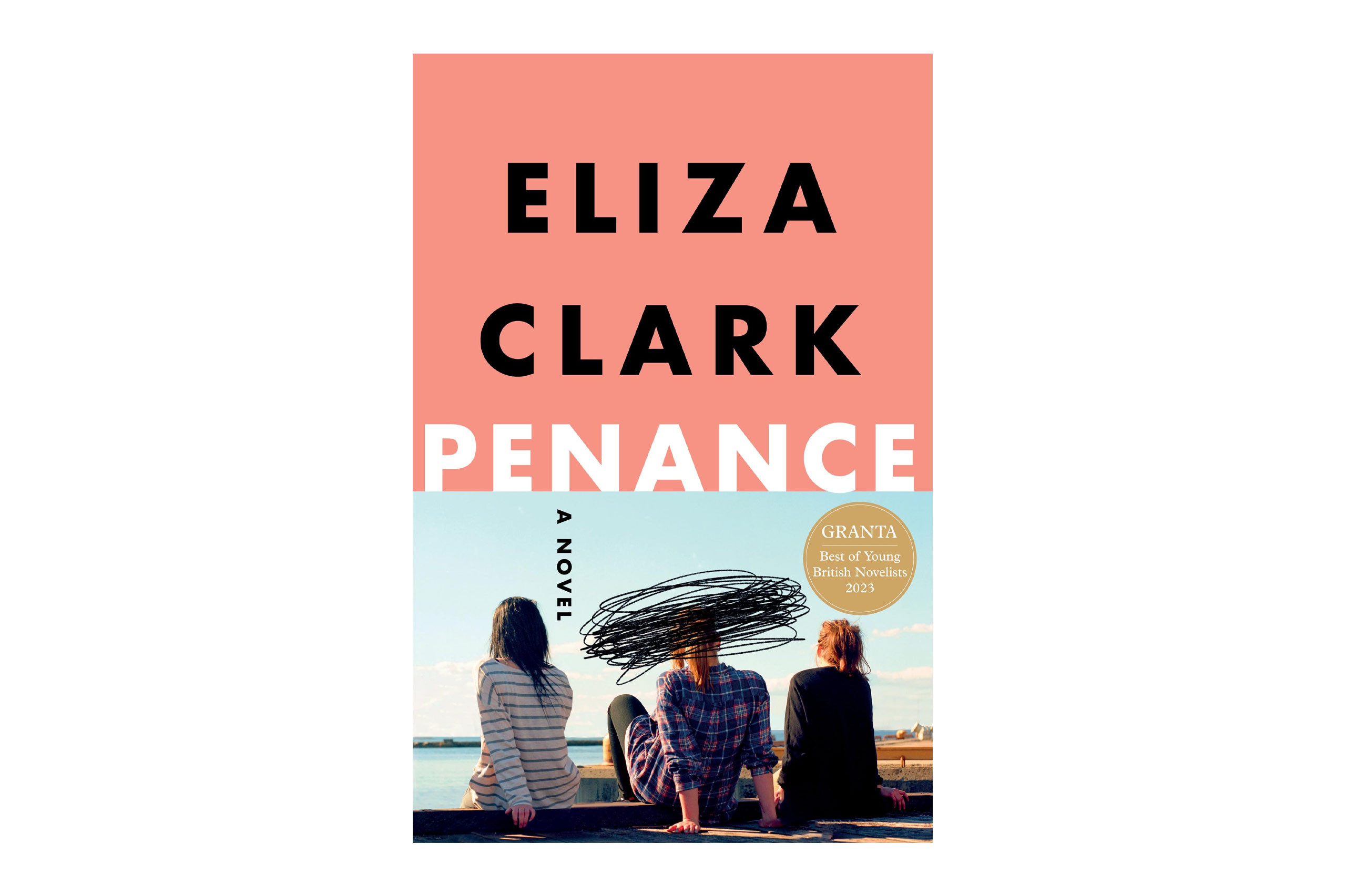
For when you want to feel like a detective. It is easy to get lost in a crime, suspense or thriller-style novel, lingering on your theories and then scrolling through forums and online discussions to compare interpretations and opinions. It absorbs your mind in the best possible way.
5. The Wind-Up Bird Chronicle by Haruki Murakami
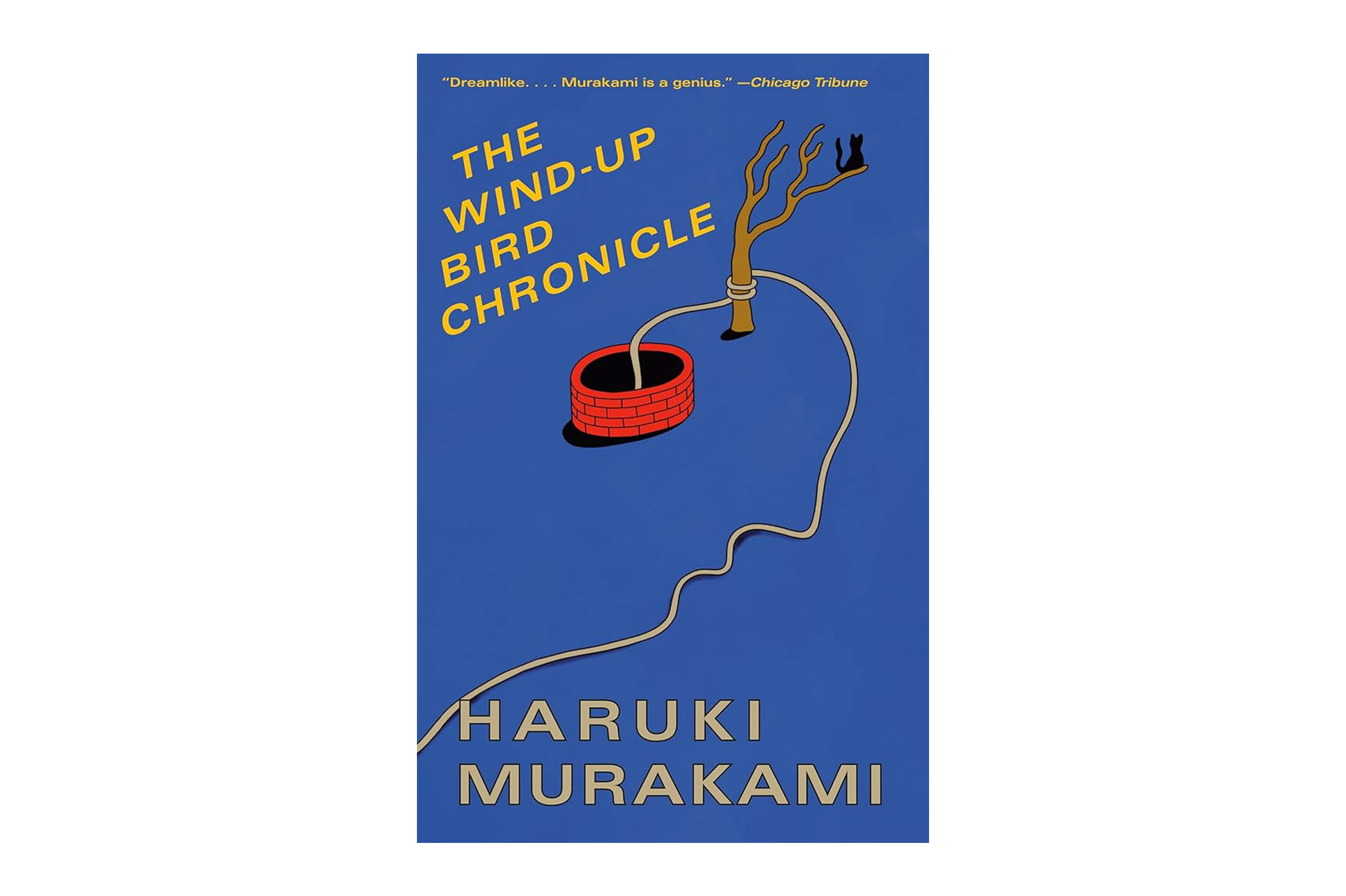
For when you need something long, strange and slightly hallucinatory to fall into. This book is a true whirlwind. I recommend reading the well scenes in the bath if that is an option for you. It is surreal, dreamlike and consuming in a way that makes the outside world feel quieter.
6. The Power of Now by Eckhart Tolle

For when you just need your brain to shut up. The only self-help book I would ever recommend, reach for or even mention. It often helps me stop ruminating or overthinking. It is great for centring the mind and feeling more in control of your emotions.