The book-to-film pipeline is a hard one to master. More often than not, when a text is already so beloved, audiences are hard to please when it comes to the big screen version. And yet, every so often, cinema does what we all hope it might — it takes the source material, and turns it into something sharper, stranger, and better than we could have imagined. Below, a RUSSH edit of the rare adaptations that don’t just live up to their books — they outrun them entirely.
Pride & Prejudice (2005)
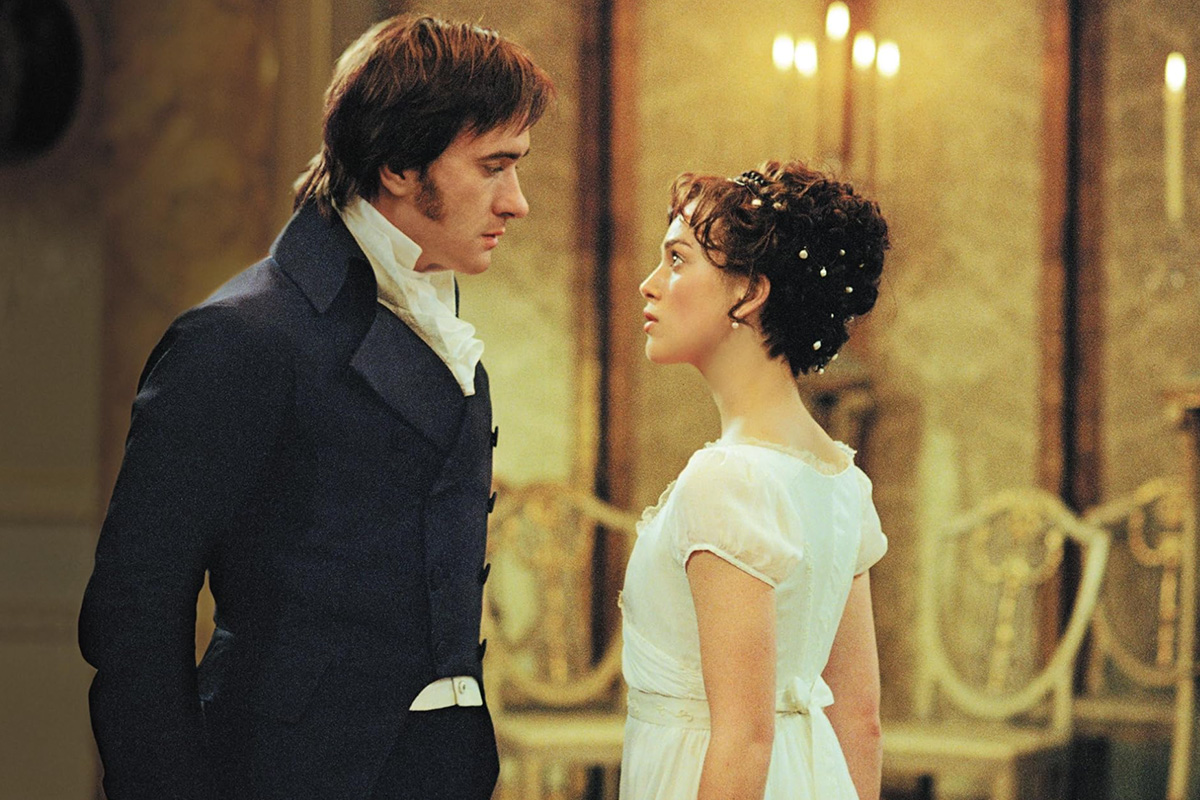
Many have tried when it comes to this Jane Austen classic, but Joe Wright’s version may be the definitive Pride & Prejudice. The film distills the novel’s emotional architecture into something sensual and evocative. Keira Knightley gives Lizzy Bennet a modernity that feels necessary, while Matthew Macfadyen (and his hands) do Mr Darcy justice. It’s arguably less faithful to the source text than the 1995 BBC version, but far more cinematic if you ask us.
Jurassic Park (1993)
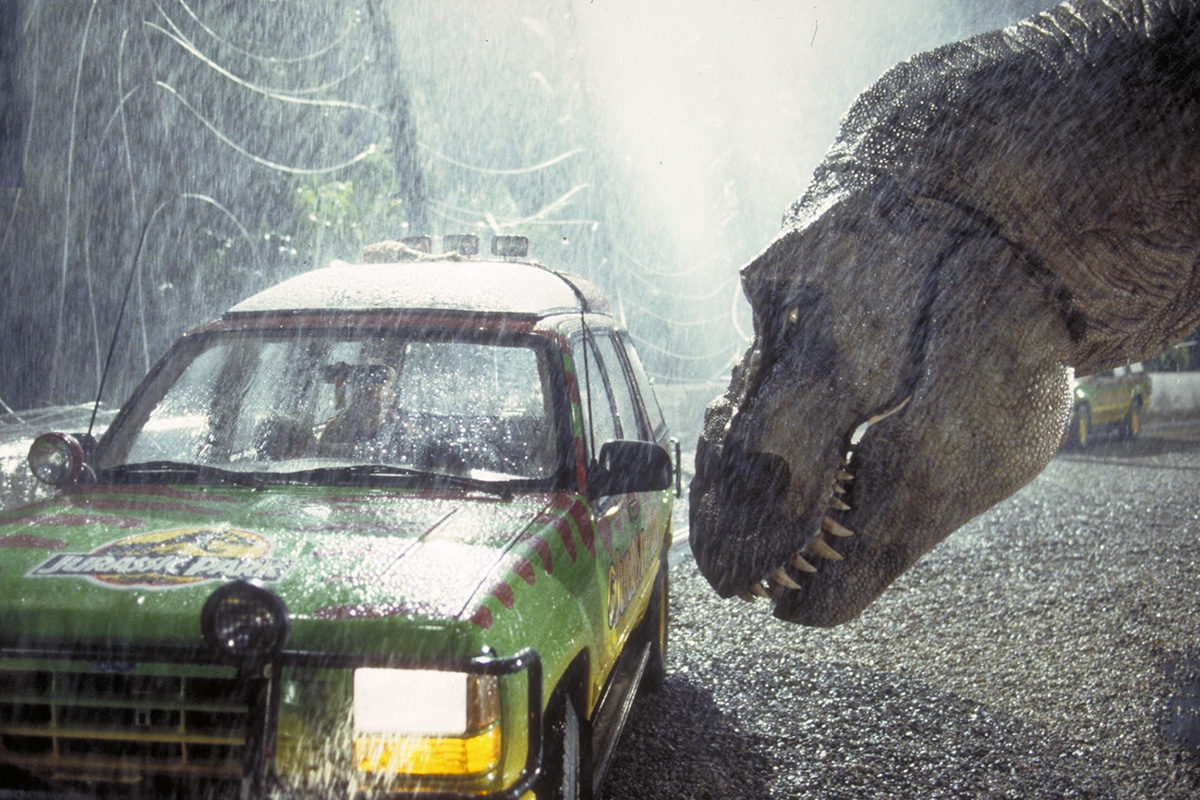
With Steven Spielberg at the helm, Michael Crichton’s novel became iconic. The film streamlines the book’s heavy scientific detail and focuses on creating a sense of wonder and tension, crafting moments that have become iconic in modern cinema. It keeps the core ideas but delivers them in a way that’s clearer, faster, and ultimately more impactful than the novel.
Gone Girl (2014)
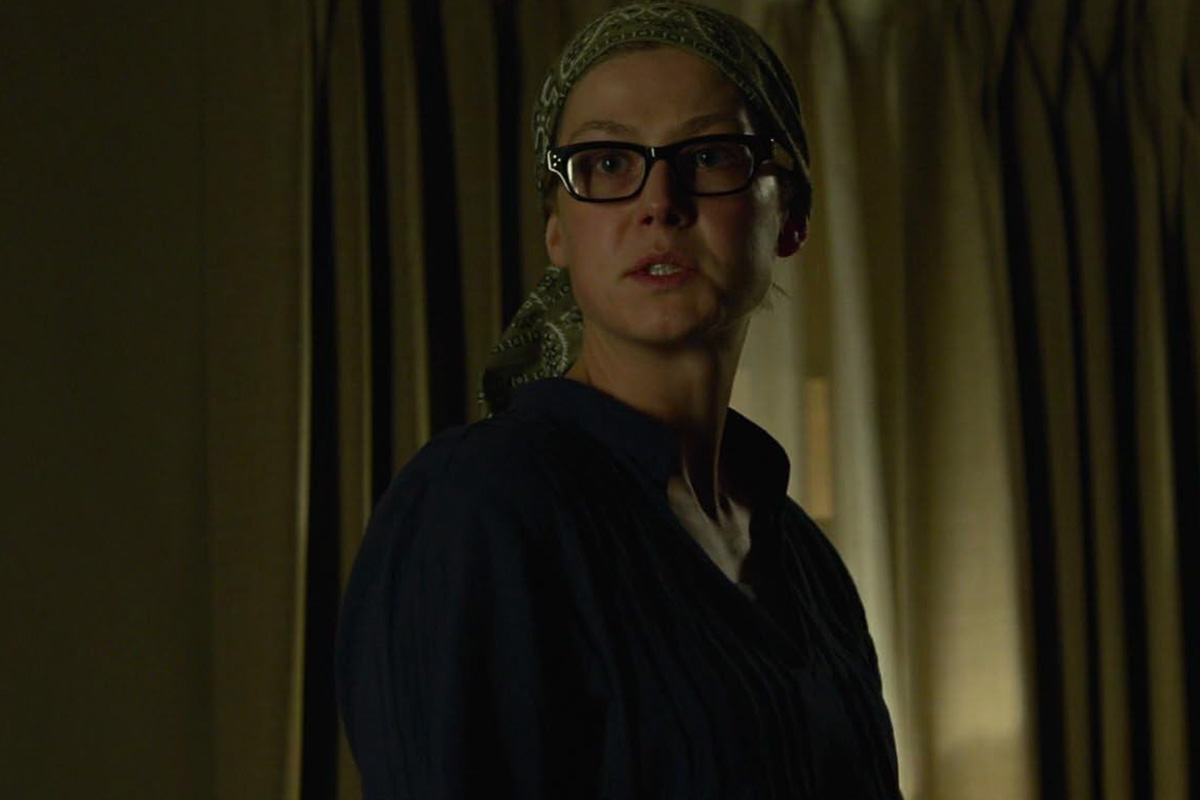
Was the movie better than the book? Maybe not. Was it perfect? Almost. In David Fincher's version, Rosamund Pike’s Amy Dunne is so iconic that she effectively rewrites the character in retrospect — the film becomes the version your brain remembers, which is no easy feat.
Fight Club (1999)
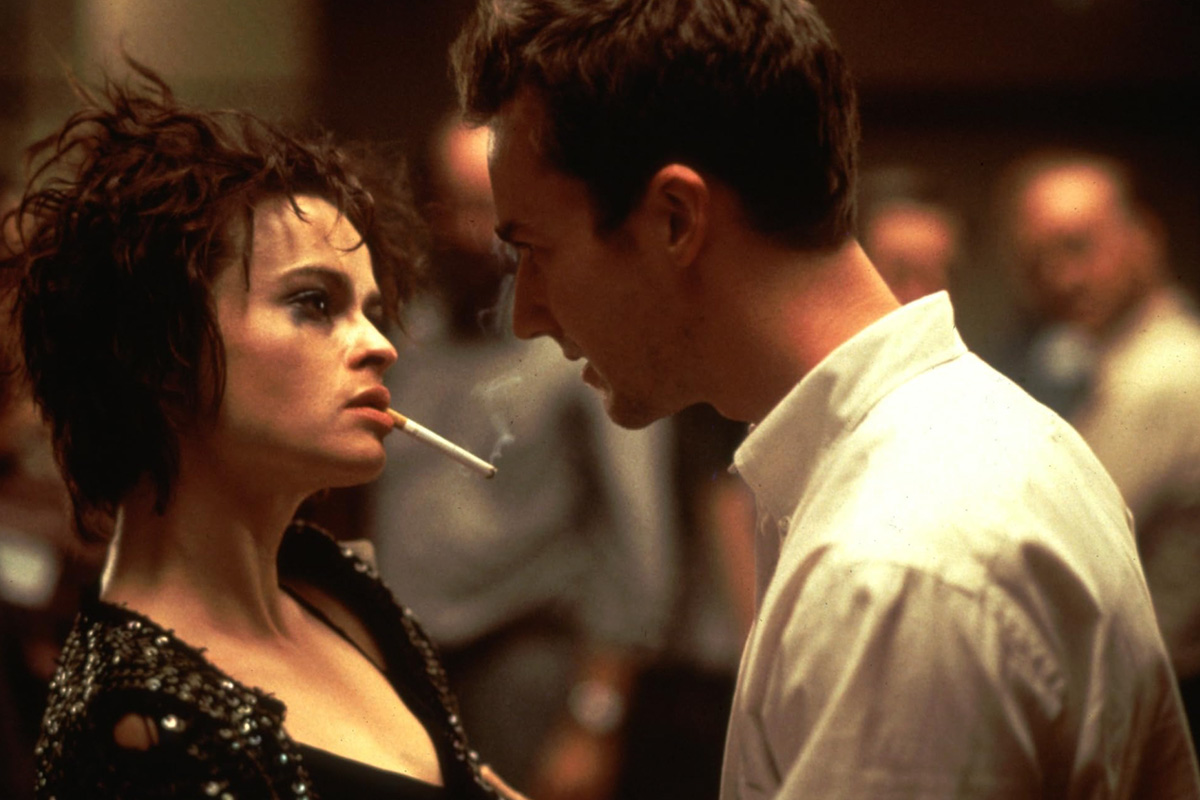
Another David Fincher adaptation that stands out. The film gives the story a sharper, more defined energy, with Brad Pitt’s Tyler Durden becoming an instantly iconic presence. While the book leans into ambiguity, the movie embraces a bolder, more stylised approach that ends up making the themes clearer and more impactful.
Mean Girls (2004)

Yes, it technically counts. Mean Girls was actually adapted from a non-fiction sociology book, titled Queen Bees and Wannabes. It wasn't until Tina Fey got her hands on the source text that the story really became what it is today. It's not up for debate that the movie will live on as one of the sharpest, funniest in recent history. In other words, the movie became the canon, not the book.
Slumdog Millionaire (2008)
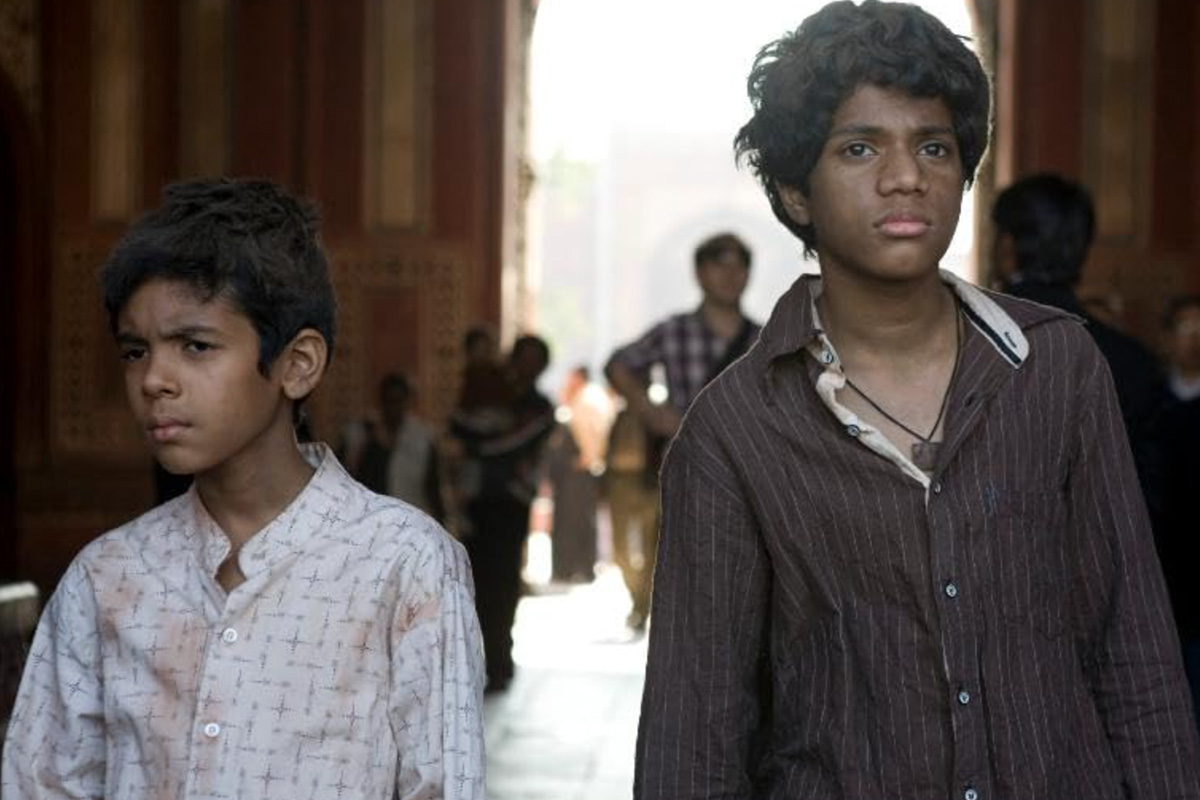
Based on the 2005 novel Q & A by Vikas Swarup, Danny Boyle’s film is kinetic. The adaptation reimagines structure, tone, and character, resulting in eight Oscars in total. Need we say more?
Jane Eyre (2011)
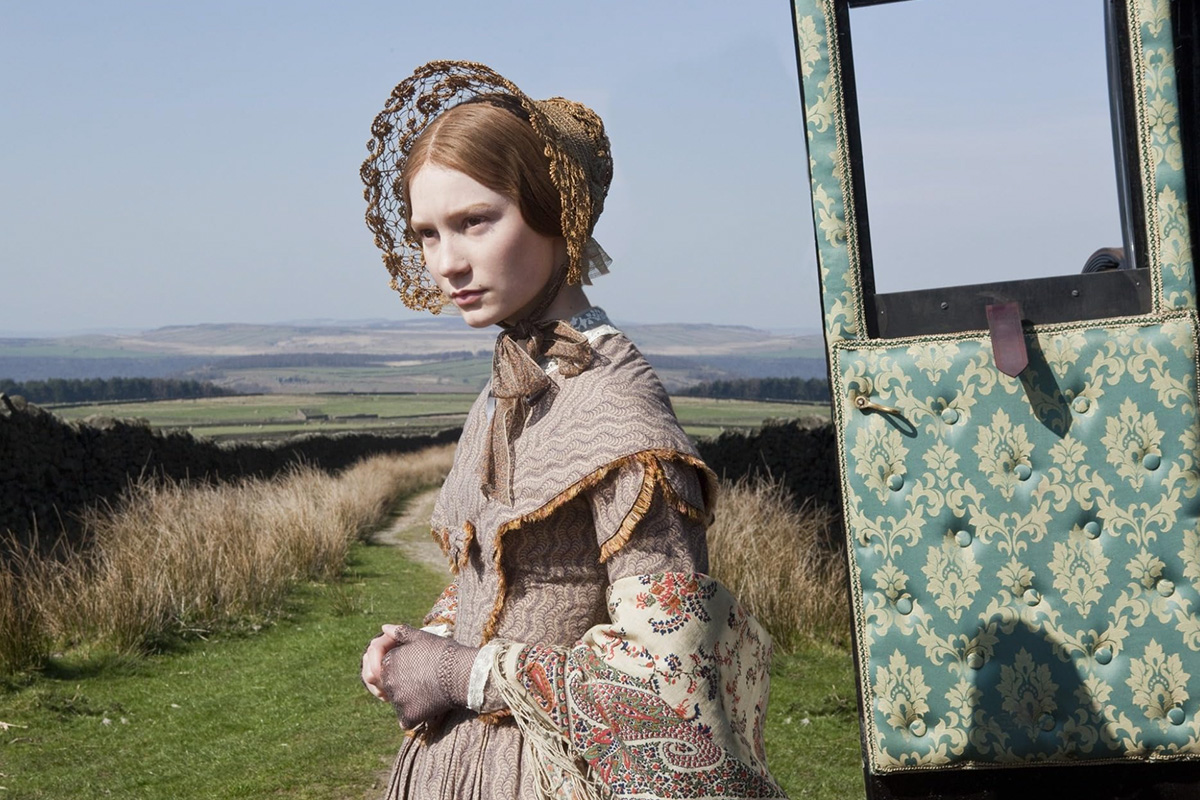
Mia Wasikowska and Michael Fassbender deliver strong performances in a version of Jane Eyre that emphasizes the story’s gothic tone. While the novel is expansive and detailed, this adaptation streamlines the plot, focusing on atmosphere and character rather than side stories. The result is a clear, focused interpretation that highlights both the emotional intensity and the darker psychological aspects of the original.


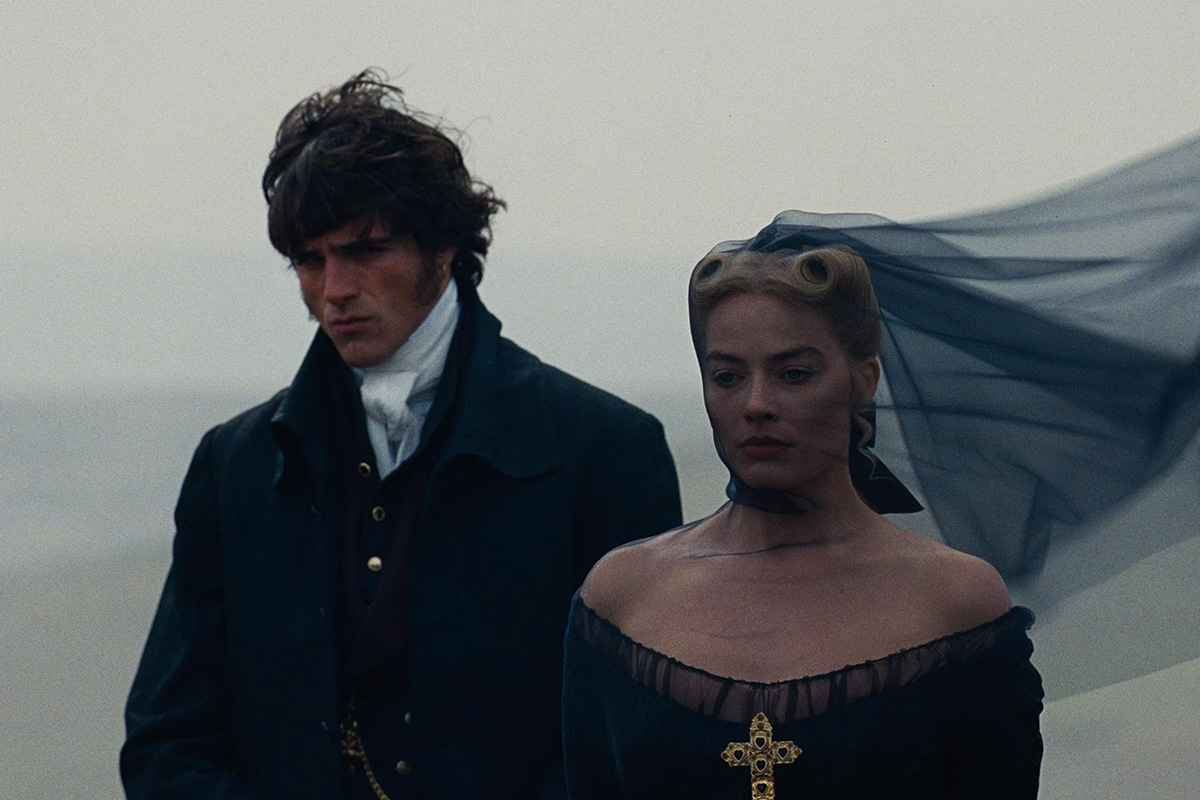
Feature image from Wuthering Heights, via IMDb.